 EN
EN

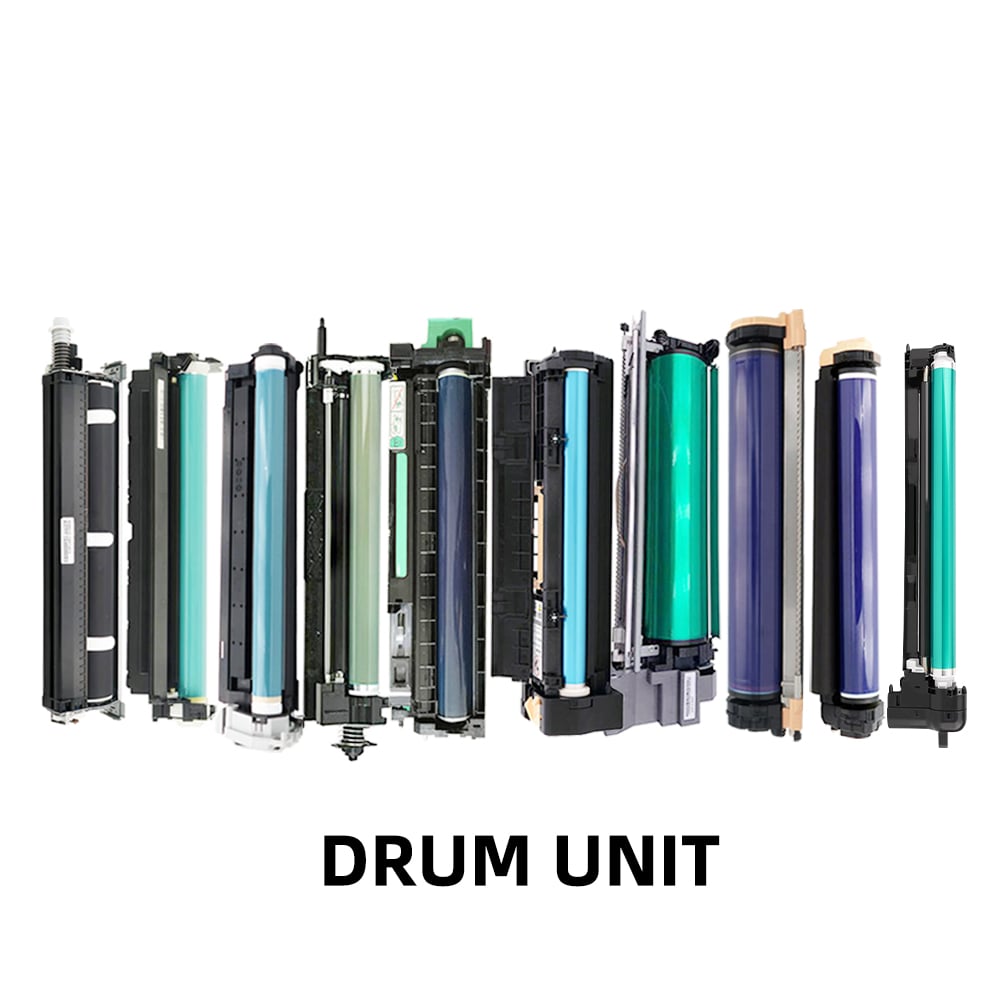
In the competitive world of compatible and remanufactured toner cartridges, the opc drum stands as one of the most decisive components influencing print output quality. Every refill business that sources, assembles, or resells cartridges depends on reliable opc drum performance to satisfy its customer base. When an opc drum underperforms, the visible consequences — streaks, fading, ghost images — land directly on the reputation of the refiller, not the component supplier. Understanding why opc drum quality is so critical gives refill market professionals a strategic advantage in sourcing decisions, quality control, and customer retention.
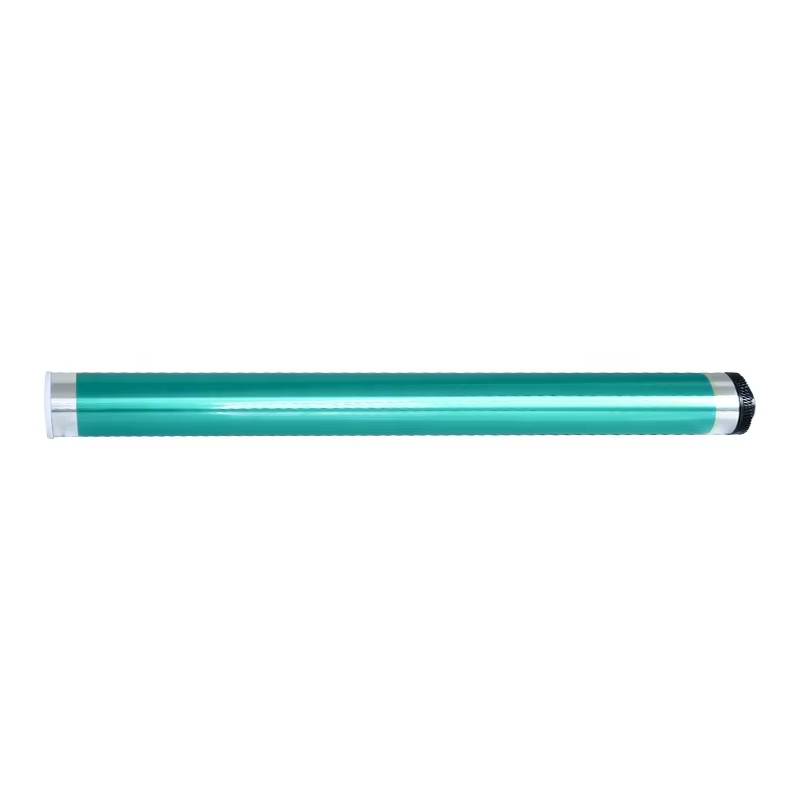
The opc drum, or organic photoconductor drum, is the rotating cylinder at the heart of the electrophotographic printing process. It receives a static charge, attracts toner according to a laser-drawn image, and transfers that toner onto paper. Each opc drum cycle must be precise, consistent, and free of surface defects. A single batch of substandard opc drum units can generate hundreds of customer complaints, trigger product returns, and permanently damage a refill brand's standing in the marketplace. That is why quality is not optional — it is foundational to every refill operation that expects to grow and sustain trust.
How OPC Drum Quality Directly Shapes Customer Experience
The Link Between OPC Drum Surface Integrity and Print Output
The surface coating of an opc drum determines how precisely toner is deposited onto paper. A high-quality opc drum maintains a uniform photosensitive layer that responds predictably to laser exposure. When the opc drum coating is inconsistent, thin in places, or carries micro-defects, the resulting print shows banding, uneven density, or repeating marks aligned with the drum's rotation cycle. Customers in offices or production environments notice these defects immediately, and they associate the failure with the refill brand rather than the internal component. A refill supplier that consistently delivers cartridges with a dependable opc drum earns a reputation for reliability that drives repeat orders.
OPC Drum Longevity and Its Effect on Cost Per Page
Refill customers often choose compatible cartridges to reduce printing costs, so an opc drum that degrades quickly undermines the primary value proposition. A premium opc drum is engineered to sustain performance across its rated page yield without a significant drop in print density or image sharpness. If an opc drum wears prematurely, the cartridge fails before its expected lifespan, forcing the end user to replace it sooner than anticipated. This breaks the cost-saving promise. Refill suppliers who source a durable opc drum protect their customers' cost-per-page calculations and reinforce the economic argument for choosing compatible products.
OPC Drum Quality as a Refill Brand Differentiator
Why OPC Drum Consistency Drives Repeat Business
In a market saturated with compatible cartridges, differentiation on price alone is unsustainable. The opc drum represents a genuine technical differentiator that experienced buyers evaluate carefully. Distributors and resellers who have been burned by poor opc drum quality in the past actively seek suppliers who can demonstrate consistent quality control. When a refill brand builds a track record around reliable opc drum performance — batch after batch, model after model — it attracts loyal customers who are willing to pay a slight premium for predictability. Conversely, a refill brand that tolerates variable opc drum quality will always face high customer churn and price pressure because buyers have no confidence-based reason to stay loyal.
How OPC Drum Selection Reflects on Supplier Credibility
Sophisticated procurement managers in the refill market assess suppliers partly by the quality of the opc drum they use. An opc drum that meets or exceeds OEM specifications signals that the supplier takes engineering seriously, invests in proper materials, and applies meaningful quality benchmarks. When a refill business presents an opc drum with traceable quality certifications or verifiable performance data, it elevates itself from a commodity reseller to a credible technical partner. The opc drum thus becomes a proxy for overall supplier competence. Poor opc drum choices, on the other hand, suggest shortcuts in the broader supply chain and invite skepticism about every other component in the cartridge.
Quality Control Practices That Protect OPC Drum Performance
Incoming Inspection Standards for OPC Drum Procurement
Protecting opc drum quality starts before the component reaches the assembly floor. Responsible refill operations implement incoming inspection protocols that check each opc drum shipment for surface uniformity, dimensional accuracy, and charge sensitivity. An opc drum with visible scratches, coating irregularities, or dimensional deviations outside tolerance should never reach the cartridge assembly stage. Sampling plans, measurement tools, and defined rejection criteria transform opc drum inspection from a casual visual check into a disciplined quality gate. This systematic approach to opc drum screening dramatically reduces the number of defective cartridges that reach end users, protecting both product quality and brand reputation simultaneously.
Storage and Handling Protocols for OPC Drum Integrity
Even a premium opc drum can be compromised by improper storage or careless handling. The opc drum surface is photosensitive, meaning exposure to strong light during handling degrades the coating before the drum is ever used. Humidity and temperature extremes can also affect opc drum performance by causing coating delamination or dimensional changes. Refill operations should store each opc drum in its protective packaging until the last possible moment before assembly, maintain climate-controlled storage conditions, and train staff to handle the opc drum without touching or scratching the surface. These protocols are not bureaucratic formalities — they are essential safeguards that preserve the opc drum quality that was paid for.
FAQ
What is the most common quality failure in an opc drum used for refill cartridges?
The most common opc drum failure in refill applications is surface coating degradation, which causes banding or repeating marks in the printed output. This typically results from a thin or uneven photosensitive layer on the opc drum, often due to low-grade raw materials or insufficient coating process control during manufacturing. Selecting an opc drum from a supplier with verified production standards significantly reduces this risk.
How can a refill business verify opc drum quality before committing to a large order?
A refill business should request opc drum samples for in-house print testing before placing volume orders. Running the opc drum through a full cartridge assembly, printing a representative page volume, and inspecting output for density consistency and defect-free imaging gives real-world performance data. Additionally, asking suppliers for opc drum specification sheets, coating thickness data, and charge retention test results helps verify whether the opc drum meets the technical benchmarks required for the target printer models.
Does opc drum quality affect compatibility across different printer models?
Yes, opc drum quality directly influences how well a drum performs across different printer models, particularly when cross-compatible drums are used. A high-quality opc drum manufactured to tight dimensional and electrostatic tolerances will function reliably in the printer models it is rated for, while a low-quality opc drum may show inconsistent performance even within a single model range. When sourcing an opc drum for multi-model applications, verifying that the drum meets the specification requirements of each target model is essential to maintaining consistent print quality across the product line.