 EN
EN

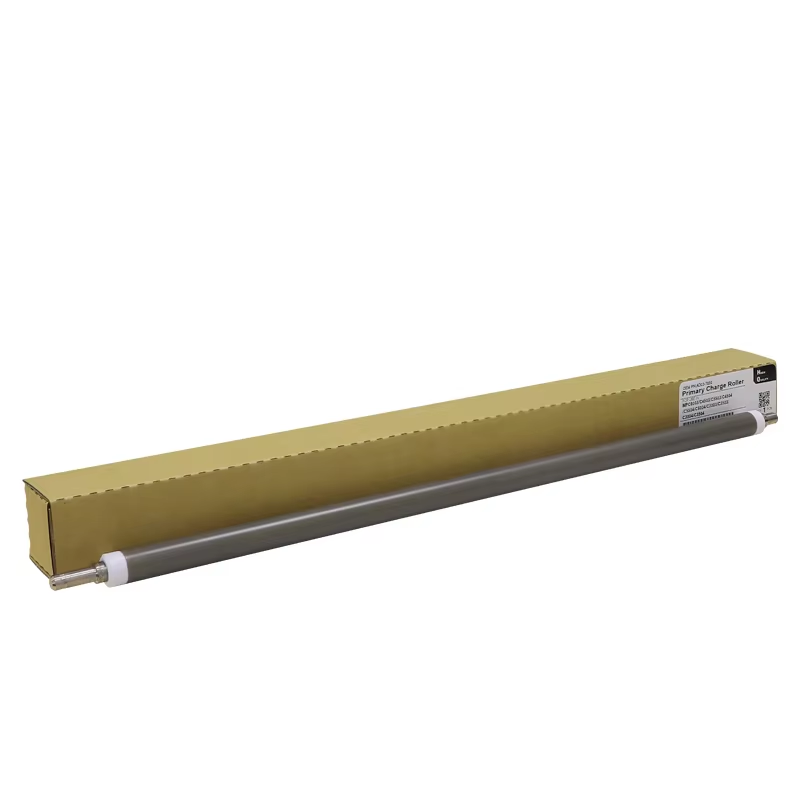
The primary charge roller is a fundamental component in laser printers and photocopiers that plays a critical role in the electrophotographic printing process. This cylindrical component, typically made of conductive rubber or foam, applies a uniform electrical charge across the surface of the photoconductor drum before image formation begins. Understanding how a primary charge roller functions is essential for anyone involved in printer maintenance, office equipment management, or the printing industry. The primary charge roller ensures consistent print quality by establishing the proper electrical foundation for toner transfer and image reproduction.
Understanding the Primary Charge Roller Function
Basic Electrophotographic Principles
The electrophotographic process relies on the controlled manipulation of electrical charges to create printed images. The primary charge roller serves as the initial step in this complex sequence by applying a uniform negative charge across the entire surface of the photoconductor drum. This negative charge typically ranges from -600 to -900 volts, depending on the specific printer model and manufacturer requirements. The uniform charging creates a clean slate on the drum surface, preparing it for the subsequent exposure step where laser light will selectively discharge specific areas to form the desired image pattern.
The precision of the primary charge roller directly impacts the quality of the final printed output. Any inconsistencies in the charging process can result in print defects such as streaks, faded areas, or background contamination. The roller must maintain consistent contact pressure and electrical conductivity throughout its operational life to ensure reliable performance. Modern primary charge rollers incorporate advanced materials and design features to minimize wear and maintain stable electrical characteristics over extended periods of use.
Construction and Material Composition
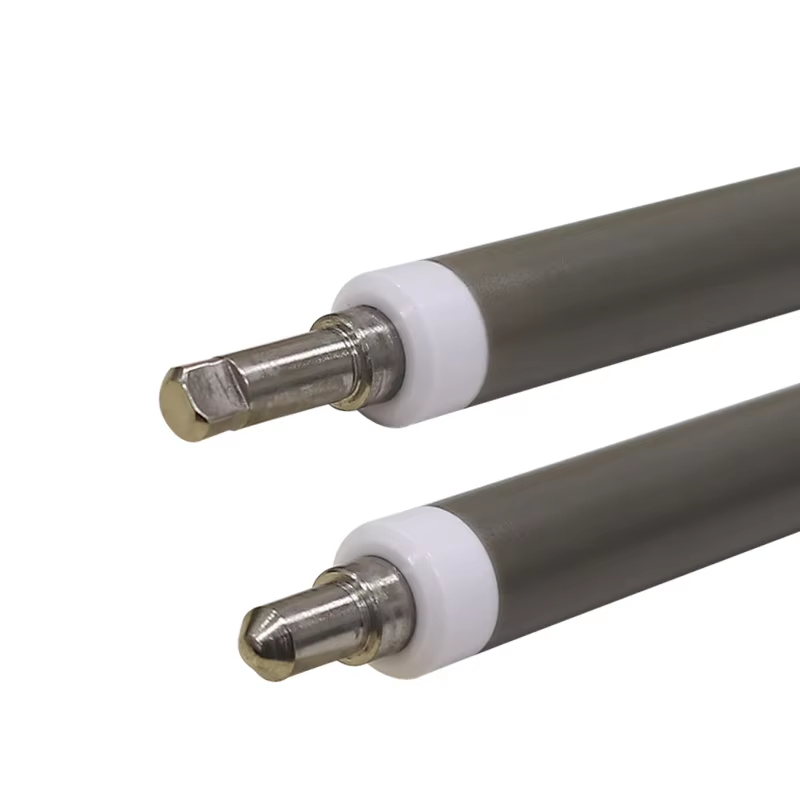
A typical primary charge roller consists of a metal core shaft surrounded by layers of specialized conductive materials. The core shaft provides structural integrity and serves as the electrical connection point for the charging circuit. The conductive layer, often made from carbon-loaded rubber or conductive foam, ensures uniform charge distribution while maintaining the necessary flexibility for proper drum contact. The outer surface may feature additional coatings or treatments to enhance durability and prevent contamination from toner particles or paper dust.
The material composition of the primary charge roller must balance several competing requirements including electrical conductivity, mechanical durability, and chemical resistance. Manufacturers carefully select rubber compounds and conductive additives to achieve the optimal combination of properties for their specific printer models. The roller surface requires sufficient conductivity to transfer electrical charge effectively while maintaining enough resistance to prevent electrical arcing or excessive current flow that could damage other printer components.
Primary Charge Roller Operation in Different Printer Types
Monochrome Laser Printers
In monochrome laser printers, the primary charge roller works in conjunction with a single photoconductor drum to produce black and white prints. The roller applies a uniform negative charge across the drum surface at the beginning of each print cycle. This charging process occurs continuously as the drum rotates, ensuring that fresh areas of the drum surface receive proper charging before exposure to the laser beam. The timing and voltage level of the primary charge roller must be precisely coordinated with other printer components to maintain consistent print quality.
The operational parameters of the primary charge roller in monochrome printers are optimized for single-color printing applications. The charging voltage and current are calibrated to work specifically with black toner formulations and the associated developer chemistry. Regular maintenance of the primary charge roller ensures optimal performance and extends the operational life of the photoconductor drum in monochrome printing environments.
Color Laser Printers and Multifunction Devices
Color laser printers utilize multiple primary charge rollers, typically one for each color station including cyan, magenta, yellow, and black. Each primary charge roller must maintain identical electrical characteristics to ensure consistent color reproduction across all four color channels. The synchronization between multiple rollers becomes critical in color printing applications where even minor variations in charging can result in color shifts or registration problems in the final printed output.
Multifunction devices that combine printing, copying, and scanning capabilities place additional demands on primary charge roller performance. These devices often operate at higher duty cycles and must maintain consistent print quality across various document types and paper weights. The primary charge roller system in multifunction devices requires robust design features to handle the increased workload while maintaining the precision necessary for high-quality color reproduction in both text and graphic applications.
Maintenance and Replacement Considerations
Signs of Primary Charge Roller Wear
Identifying wear patterns and performance degradation in primary charge rollers is essential for maintaining optimal print quality. Common symptoms of a failing primary charge roller include vertical streaks or lines in printed output, uneven print density, background fogging, and premature photoconductor drum wear. These issues typically develop gradually as the roller surface becomes contaminated with toner particles, paper dust, or other debris that interferes with proper electrical contact between the roller and drum surface.
Regular inspection of the primary charge roller can help identify potential problems before they significantly impact print quality. Visual examination should look for signs of surface contamination, physical damage, or uneven wear patterns along the roller length. Electrical testing using appropriate measuring equipment can verify that the roller maintains proper conductivity and resistance values within manufacturer specifications. Early detection of primary charge roller problems allows for preventive replacement before print quality degradation becomes severe.
Replacement Procedures and Best Practices
Replacing a primary charge roller requires careful attention to electrostatic discharge protection and proper handling procedures. The replacement process typically involves removing the toner cartridge or drum unit, accessing the roller mounting points, and carefully extracting the worn component. New primary charge rollers should be handled minimally and protected from contamination during installation. Proper alignment and tension adjustment ensure optimal contact with the photoconductor drum surface.
Best practices for primary charge roller replacement include cleaning surrounding components to remove accumulated toner and debris, verifying electrical connections, and performing calibration procedures as specified by the manufacturer. After installation, test prints should be evaluated to confirm proper operation and print quality. Documentation of replacement dates and page counts helps establish maintenance schedules and track component life cycles for future planning purposes.
Impact on Print Quality and Performance
Electrical Charge Uniformity
The uniformity of electrical charge applied by the primary charge roller directly affects print quality consistency across the entire page width. Variations in charge density can create visible artifacts in printed output including banding, streaking, or uneven toner coverage. The primary charge roller must maintain consistent electrical contact with the photoconductor drum while rotating at precise speeds synchronized with other printer components. Any mechanical irregularities or electrical inconsistencies in the roller can propagate through the entire printing process.
Advanced primary charge roller designs incorporate features to enhance charge uniformity including precision manufacturing tolerances, specialized surface treatments, and improved mounting systems. These enhancements help maintain consistent performance over extended operational periods and reduce the likelihood of print quality defects. Regular monitoring of charge uniformity through test patterns and diagnostic prints can help identify developing problems before they become severe enough to affect routine printing operations.
Interaction with Toner and Developer Systems
The primary charge roller influences toner transfer efficiency and developer performance throughout the printing process. Proper charging creates the electrical field strength necessary for effective toner attraction and transfer from the developer unit to the photoconductor drum. Insufficient or excessive charging can result in poor toner coverage, background contamination, or premature depletion of developer components. The primary charge roller must work in harmony with toner formulations and developer chemistry to achieve optimal printing results.
Environmental factors such as temperature and humidity can affect the performance interaction between the primary charge roller and toner systems. Higher humidity levels may reduce electrical resistance and affect charge transfer efficiency, while low humidity can increase static electricity and cause toner attraction problems. Understanding these interactions helps optimize printer operation and maintenance procedures for different environmental conditions and usage patterns.
Technological Advancements and Future Developments
Material Science Improvements
Recent advances in material science have led to improved primary charge roller formulations that offer enhanced durability and performance characteristics. New conductive polymer compounds provide better electrical stability while reducing susceptibility to environmental variations and chemical degradation. These materials maintain consistent electrical properties over extended operational periods and resist contamination from toner particles and other printing system byproducts.
Nanotechnology applications in primary charge roller manufacturing have enabled the development of surface treatments that enhance conductivity while improving mechanical wear resistance. These advanced coatings help maintain optimal electrical contact with photoconductor surfaces while extending component life and reducing maintenance requirements. Future developments in materials technology promise even greater improvements in primary charge roller performance and reliability.
Integration with Smart Printing Systems
Modern printing systems increasingly incorporate intelligent monitoring and control features that optimize primary charge roller performance in real-time. Sensors can monitor electrical parameters, temperature, and mechanical conditions to adjust charging voltages and timing for optimal print quality. These smart systems can predict primary charge roller wear patterns and provide advance warning of potential maintenance requirements.
Future developments in smart printing technology may include self-adjusting primary charge roller systems that automatically compensate for environmental variations, usage patterns, and component aging. These advances promise to reduce maintenance requirements while maintaining consistent print quality throughout the operational life of printing equipment. Integration with remote monitoring systems could enable predictive maintenance scheduling and automated component ordering for optimal system uptime.
FAQ
How often should a primary charge roller be replaced
The replacement frequency for a primary charge roller depends on several factors including printer usage volume, environmental conditions, and print quality requirements. Typically, primary charge rollers should be replaced every 50,000 to 100,000 pages or when print quality degradation becomes noticeable. High-volume printing environments may require more frequent replacement, while light-duty applications may extend replacement intervals. Regular monitoring of print quality and following manufacturer recommendations help determine optimal replacement timing.
Can a damaged primary charge roller cause permanent damage to other printer components
A severely damaged or malfunctioning primary charge roller can potentially cause damage to the photoconductor drum and other printing system components. Excessive electrical current, physical contact problems, or contamination can accelerate wear on the drum surface and affect toner system performance. Prompt replacement of worn primary charge rollers helps prevent secondary damage and maintains overall system reliability. Regular maintenance and inspection minimize the risk of component damage from primary charge roller failures.
What environmental factors affect primary charge roller performance
Temperature and humidity are the primary environmental factors that influence primary charge roller performance. High humidity can reduce electrical resistance and affect charge transfer efficiency, while low humidity increases static electricity and may cause toner attraction problems. Extreme temperatures can affect the mechanical properties of roller materials and electrical conductivity. Maintaining stable environmental conditions within manufacturer specifications helps ensure optimal primary charge roller performance and longevity.
Is it possible to clean a primary charge roller instead of replacing it
While some contamination on primary charge rollers can be removed through careful cleaning procedures, replacement is generally recommended when performance issues develop. Cleaning must be performed with appropriate solvents and techniques to avoid damage to the conductive surface or contamination of other printer components. However, most manufacturers recommend replacement rather than cleaning due to the critical nature of the component and the potential for incomplete restoration of electrical properties through cleaning alone.