 EN
EN

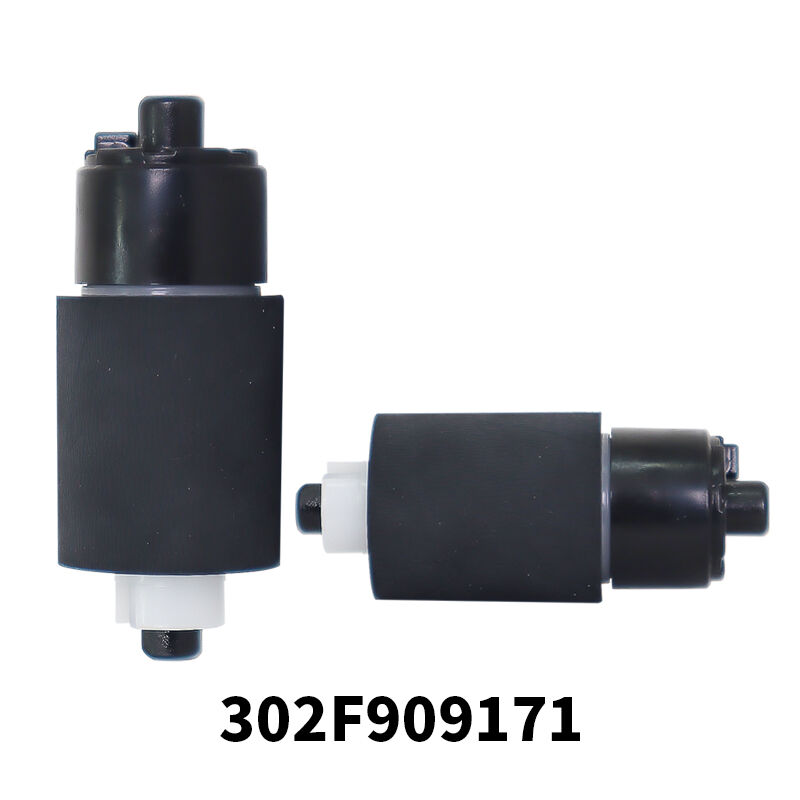
Modern printing environments depend heavily on the seamless operation of every component within a printer system. Among the most critical yet often overlooked components are pickup rollers, which serve as the primary mechanism for initiating paper movement from input trays to the printing mechanism. These cylindrical rubber components directly influence both the speed at which documents are processed and the accuracy with which paper is positioned during printing operations. Understanding how pickup rollers function and their impact on overall printer performance is essential for maintaining optimal printing efficiency in any office or production environment.
The Fundamental Role of Pickup Rollers in Paper Feeding Systems
Mechanical Function and Design Principles
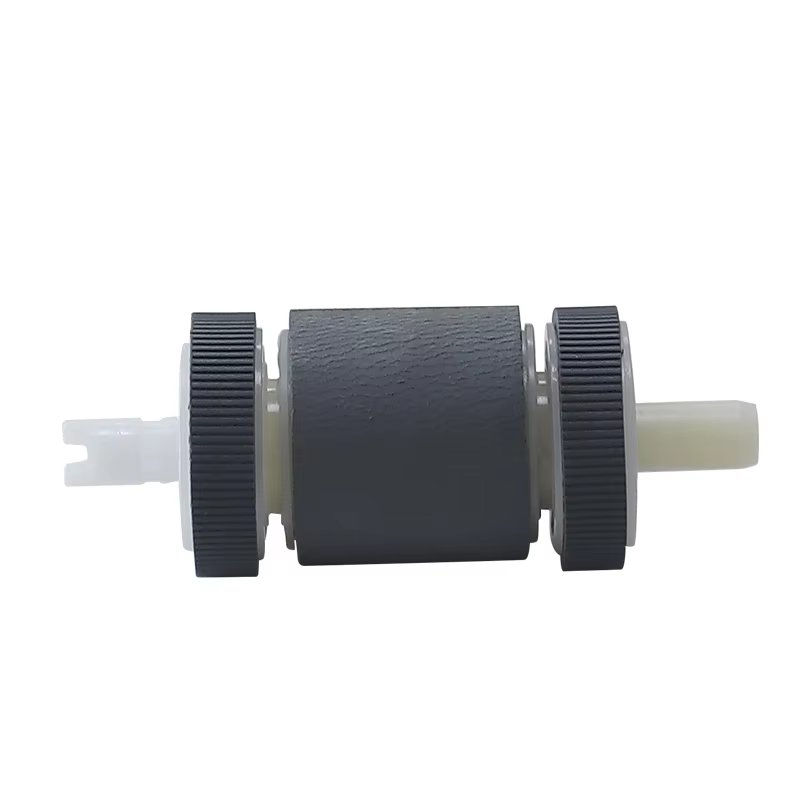
Pickup rollers operate through a sophisticated mechanism that combines friction, timing, and precise mechanical engineering. These components are strategically positioned at the beginning of the paper path, where they make direct contact with the top sheet of paper in the input tray. The rubber surface of pickup rollers is specifically designed to provide optimal grip without causing damage to various paper types. The durometer and texture of the rubber material are carefully calibrated to ensure consistent performance across different paper weights and finishes.
The rotational movement of pickup rollers is synchronized with the printer's internal timing mechanisms to ensure papers are fed at precisely the right moment. This synchronization is crucial for maintaining proper spacing between sheets and preventing overlapping or gaps that could disrupt the printing process. Advanced printer models incorporate sensors that monitor the position and movement of pickup rollers to optimize their operation in real-time.
Integration with Paper Path Components
Pickup rollers work in conjunction with separation pads and other paper handling components to create a complete feeding system. The separation pad provides counter-pressure against the pickup rollers, ensuring that only one sheet is grabbed and fed forward at a time. This collaborative relationship between components is essential for preventing multi-sheet feeds that can cause paper jams and reduce printing accuracy.
The alignment and positioning of pickup rollers must be precisely calibrated relative to other paper path components. Even minor misalignments can result in skewed paper feeds, leading to crooked printing or complete paper jams. Regular maintenance and proper adjustment of these components ensure optimal performance and extend the operational life of the entire paper handling system.
Impact on Paper Feed Speed and Throughput
Rotational Velocity and Feed Timing
The speed at which pickup rollers rotate directly correlates with paper feed velocity and overall printer throughput. Modern printers are designed to operate at specific pages-per-minute rates, and pickup rollers must maintain consistent rotational speeds to meet these performance targets. Variations in roller speed can create bottlenecks that reduce overall printing efficiency and disrupt workflow in busy office environments.
Environmental factors such as temperature and humidity can affect the performance characteristics of pickup rollers, potentially altering their grip and rotational consistency. High-quality pickup rollers are manufactured with materials that maintain stable performance across a wide range of operating conditions, ensuring consistent feed speeds regardless of environmental variations.
Multi-Sheet Detection and Prevention
Effective pickup rollers are engineered to minimize the risk of multi-sheet feeds, which can significantly slow down printing operations and compromise document quality. The surface texture and grip characteristics of pickup rollers must be balanced to provide sufficient traction for reliable paper pickup while avoiding excessive grip that could pull multiple sheets simultaneously.
Advanced pickup roller designs incorporate features such as variable surface patterns or specialized rubber compounds that enhance single-sheet separation capabilities. These improvements directly translate to faster, more reliable paper feeding and reduced interruptions caused by paper handling errors.
Accuracy and Positioning Control Mechanisms
Precision Registration and Alignment
The accuracy of paper positioning during the initial feed phase is largely determined by the condition and performance of pickup rollers. Worn or degraded pickup rollers can cause papers to be fed at slight angles or with inconsistent positioning, leading to print quality issues and potential damage to downstream components. Maintaining optimal pickup roller condition is essential for achieving precise document registration and professional print quality.
Modern printer designs incorporate sophisticated feedback systems that monitor paper position throughout the feeding process. These systems rely on accurate initial positioning provided by properly functioning pickup rollers to maintain precise control over paper movement through the entire print path. Any deviation in initial paper positioning can cascade through the system, affecting final print quality and potentially causing mechanical issues.
Compensation for Paper Variations
Different paper types and weights require varying levels of grip and handling force from pickup rollers. High-quality pickup rollers are designed to automatically compensate for these variations, maintaining consistent feeding accuracy across a wide range of media types. This adaptability is crucial for environments that regularly handle diverse document types and paper specifications.
The surface characteristics of pickup rollers must remain stable over extended periods of use to ensure consistent performance with various paper types. Degradation of the rubber surface can lead to reduced grip on certain paper types while potentially over-gripping others, creating inconsistent feeding patterns that compromise both speed and accuracy.
Maintenance Requirements and Performance Optimization
Regular Cleaning and Inspection Protocols
Maintaining optimal performance from pickup rollers requires regular cleaning and inspection to remove accumulated paper dust, toner particles, and other debris that can affect their grip and rotation. Contaminated pickup rollers often exhibit reduced gripping capability, leading to feed failures and reduced printing efficiency. Establishing consistent maintenance schedules helps prevent performance degradation and extends the operational life of these critical components.
Professional cleaning techniques involve using appropriate solvents and cleaning materials that remove contaminants without damaging the rubber surface of pickup rollers. Improper cleaning methods can actually worsen performance by leaving residues or damaging the surface texture that provides necessary grip. Training maintenance personnel in proper cleaning procedures is essential for maintaining optimal printer performance.
Replacement Timing and Performance Indicators
Recognizing when pickup rollers require replacement is crucial for maintaining consistent printer performance. Common indicators include increased paper jam frequency, inconsistent paper feeding, visible wear on roller surfaces, and reduced grip capability. Proactive replacement based on these indicators prevents more serious printer issues and maintains optimal productivity levels.
The replacement interval for pickup rollers varies depending on usage volume, paper types processed, and environmental conditions. High-volume printing environments may require more frequent replacement, while occasional-use printers may operate effectively with pickup rollers for extended periods. Monitoring performance indicators allows for optimized replacement scheduling that balances cost efficiency with operational reliability.
Technological Advances in Pickup Roller Design
Material Science Improvements
Recent advances in rubber compounds and surface treatments have significantly improved the performance and longevity of pickup rollers. Modern materials offer enhanced grip characteristics, improved wear resistance, and better compatibility with diverse paper types. These improvements directly translate to more reliable paper feeding, reduced maintenance requirements, and extended operational life.
Specialized coatings and surface treatments can enhance the performance of pickup rollers in challenging environments or with difficult paper types. Anti-static properties help prevent paper sticking and improve separation performance, while enhanced durability coatings extend operational life in high-volume applications. These technological improvements contribute to both improved performance and reduced total cost of ownership.
Smart Sensor Integration
Advanced printer designs incorporate sensors that monitor pickup roller performance in real-time, providing immediate feedback on feeding accuracy and identifying potential issues before they affect print quality. These smart systems can adjust feeding parameters automatically to compensate for varying conditions and optimize performance with different paper types.
Predictive maintenance capabilities enabled by sensor integration allow for proactive replacement of pickup rollers based on actual performance metrics rather than arbitrary time intervals. This data-driven approach to maintenance optimization helps minimize unexpected downtime while ensuring optimal printing performance throughout the operational life of pickup rollers.
FAQ
How often should pickup rollers be replaced in a typical office printer
The replacement frequency for pickup rollers depends on several factors including print volume, paper types used, and environmental conditions. In typical office environments with moderate usage, pickup rollers generally require replacement every 50,000 to 100,000 pages. However, high-volume environments or those processing specialty papers may need more frequent replacements. Regular monitoring of feed performance and paper jam frequency provides better indicators for replacement timing than arbitrary page counts.
What are the signs that pickup rollers are causing paper feeding problems
Common indicators of pickup roller issues include frequent paper jams, multiple sheets being fed simultaneously, papers feeding at angles or skewed positions, and intermittent feed failures where the printer fails to pick up paper from the tray. Visual inspection may reveal worn, cracked, or contaminated roller surfaces. Additionally, increased noise during paper feeding or inconsistent feeding speeds can indicate pickup roller problems requiring attention.
Can different paper types affect pickup roller performance and longevity
Yes, different paper types significantly impact pickup roller performance and wear rates. Rough or textured papers can accelerate roller wear, while glossy or coated papers may reduce grip effectiveness. Heavy cardstock requires more grip force, potentially leading to faster wear, while very thin papers may be more prone to multi-sheet feeds with worn rollers. Using appropriate paper types within manufacturer specifications helps optimize pickup roller performance and longevity.
Is it possible to clean pickup rollers to extend their operational life
Regular cleaning can significantly extend pickup roller life and maintain optimal performance. Professional cleaning involves removing accumulated paper dust, toner particles, and oils using appropriate solvents and lint-free cloths. However, cleaning should be performed carefully to avoid damaging the rubber surface or leaving residues that could worsen performance. While cleaning helps maintain performance, it cannot restore worn or damaged roller surfaces, and replacement remains necessary when physical wear becomes significant.