 EN

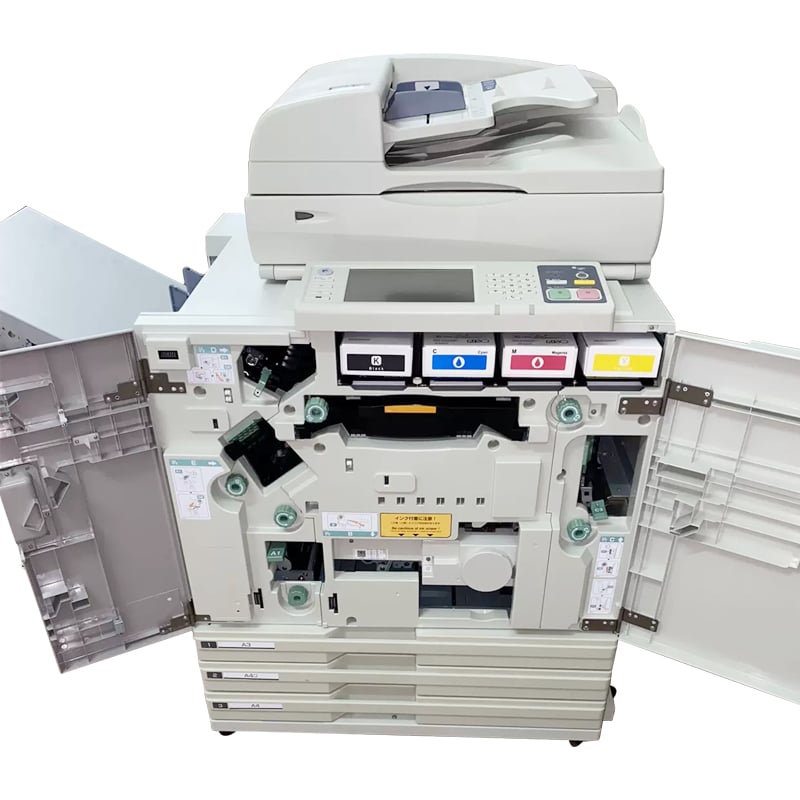
When a new buyer enters the market for a duplicator, one of the most critical conversations happens around operational expenses. Dealers play a vital role in helping prospects understand not just the upfront purchase price of a duplicator, but the ongoing costs that will impact their bottom line over time. This conversation requires transparency, clarity, and a structured approach that breaks down complex cost factors into digestible information. A duplicator represents a significant investment, and buyers deserve detailed explanations that help them make informed decisions about their purchase.
Smart dealers know that explaining a duplicator's running costs extends beyond simply listing expenses. It requires connecting those costs to business outcomes, production volumes, and long-term value. When dealers present a comprehensive cost breakdown for a duplicator, buyers gain confidence that they understand what they're purchasing and what to expect financially. This section explores the most effective strategies dealers use to communicate duplicator running costs and help new buyers evaluate the true cost of ownership.
Total cost of ownership analysis over five years includes consumables (toner, paper), maintenance, energy, and supplies—not purchase price alone. Cost per page decreases with production volume. Preventive maintenance contracts reduce emergency repairs. Energy efficiency and ancillary supply costs significantly impact long-term expenses. Low-price selection often leads to higher TCO.
Understanding the Core Cost Components of a Duplicator
Direct Consumable Costs for Duplicator Operation
The largest recurring expense for any duplicator relates to consumable materials. A duplicator requires toner or ink, paper, and stencils or plates depending on the technology type. Dealers explain that the cost per page for a duplicator varies significantly based on the model and production volume. For example, a high-capacity duplicator designed for enterprise-level printing will have different per-page economics than a small office duplicator. When breaking down consumable costs, effective dealers provide real-world examples based on monthly print volumes. They help buyers understand how the duplicator cost per page decreases as production volume increases, which influences the overall economics of ownership.
Maintenance and Service Fees for Duplicator Longevity
A duplicator requires regular maintenance to perform reliably and maintain print quality. Dealers typically structure maintenance contracts for a duplicator that cover parts, labor, and preventive service visits. The duplicator maintenance cost structure often includes routine cleaning, component replacement, and emergency repairs. Many dealers explain that buying a preventive maintenance plan for a duplicator is more cost-effective than paying for repairs on demand. A well-maintained duplicator experiences fewer breakdowns, which reduces costly downtime. Dealers emphasize that maintenance costs for a duplicator are predictable and manageable when buyers understand the service model upfront.
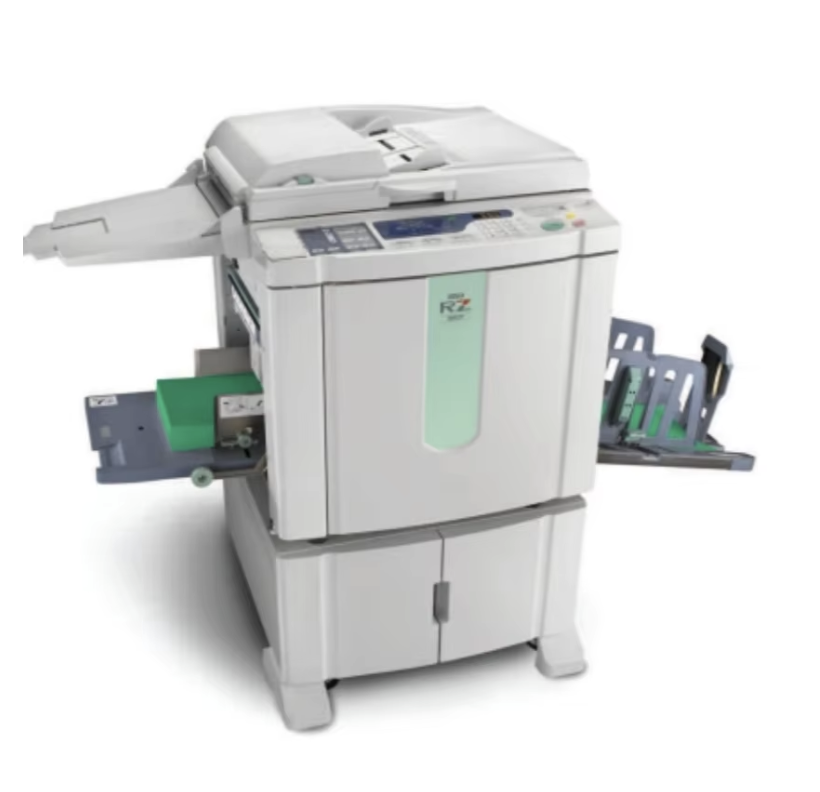
Presenting Total Cost of Ownership Analysis for a Duplicator
Creating a Duplicator Cost Projection Over Time
Effective dealers create a duplicator cost model that projects expenses across a typical ownership period, usually three to five years. This duplicator cost analysis includes purchase price, consumables, maintenance, supplies, and energy costs. By presenting a duplicator cost timeline, dealers help buyers visualize how their investment amortizes over the operational lifespan. For instance, if a duplicator costs $15,000 to purchase but produces 500,000 pages annually at a cost of $0.02 per page, the duplicator cost structure becomes immediately clear. Dealers use this duplicator cost breakdown to demonstrate that while initial price matters, the ongoing duplicator cost per page ultimately determines whether the investment makes financial sense for the buyer's specific use case.
Comparative Duplicator Cost Scenarios by Volume
Different businesses have different production needs, so dealers present multiple duplicator cost scenarios tailored to buyer volumes. A low-volume duplicator scenario might show that a smaller, less expensive model is more cost-effective because it avoids excessive duplicator maintenance costs and wasted capacity. Conversely, high-volume users benefit from a heavy-duty duplicator that offers lower per-page duplicator costs despite higher upfront investment. Dealers explain that calculating the break-even point for a duplicator is crucial. They show buyers how choosing the wrong duplicator capacity leads to either excess spending or inadequate production capability. This duplicator cost analysis approach transforms the decision from gut-feeling to data-driven, increasing buyer confidence and satisfaction.
| Cost | Includes | Impact |
| Consumables | Toner, paper, stencils | Largest recurring expense. Varies by volume. |
| Maintenance | Cleaning, repairs, service | Preventive plans reduce emergency costs. |
| Energy | Power consumption | Accumulates significantly over time. |
| Supplies | Staples, folders, binding | Often overlooked ecosystem costs. |
| Disposal | Cartridge/component recycling | Anticipated cost element. |
| Purchase | Equipment cost | Important but not decisive. |
| Volume | Low vs high production needs | Determines optimal machine selection. |
| 5-Year TCO | Total ownership calculation | Enables fair model comparison. |
Communicating Energy Consumption and Hidden Duplicator Costs
Energy Efficiency and Duplicator Operating Expenses
Many buyers overlook energy consumption when evaluating a duplicator cost equation. Dealers explain that a duplicator's power consumption varies by model, age, and technology. Modern duplicator systems often feature energy-saving modes that reduce electricity costs during idle periods. Dealers help buyers understand that while energy costs per page appear small in isolation, they accumulate significantly over time. A duplicator running 250,000 pages per year can consume substantial electricity, making energy efficiency a legitimate cost factor. Transparent dealers provide duplicator cost estimates that explicitly include utility expenses, helping buyers account for all operational variables.
Supply Chain Costs Beyond Standard Duplicator Expenses
Beyond toner and paper, a duplicator ecosystem includes finishing supplies like staples, folders, and binding materials. Dealers explain that duplicator cost ownership extends to these ancillary supplies that support daily operations. Additionally, disposal costs for used toner cartridges and obsolete components represent a duplicator cost element many buyers don't anticipate. Some dealers partner with recycling services that offset duplicator cost burden by recovering value from materials. By presenting a complete duplicator cost picture that includes these typically overlooked expenses, dealers demonstrate expertise and build credibility with prospects.
FAQ
How do dealers calculate the total cost of ownership for a duplicator?
Dealers calculate total cost of ownership for a duplicator by summing the purchase price, average monthly consumable costs, annual maintenance fees, energy consumption, and supply expenses over a typical five-year period. They divide this total by projected pages to determine the all-in cost per page for a duplicator. This methodology allows for direct comparison between different duplicator models and helps buyers understand the true financial commitment involved in duplicator ownership.
What factors most significantly impact duplicator running costs?
The factors with the greatest impact on duplicator running costs are monthly production volume, duplicator technology type, maintenance contract terms, and energy efficiency ratings. High-volume usage dramatically reduces per-page duplicator costs, while preventive maintenance contracts stabilize duplicator costs and prevent expensive emergency repairs. Energy-efficient duplicator models reduce operational expenses over time, making them attractive despite potentially higher initial duplicator cost.
Should buyers always choose the least expensive duplicator option?
No, selecting the least expensive duplicator upfront often leads to higher total cost of ownership. A cheaper duplicator may have higher per-page costs, greater duplicator maintenance expenses, and limited production capacity that forces businesses to supplement with additional equipment. Dealers recommend choosing a duplicator based on volume requirements and total cost metrics, not price alone, to ensure the best long-term duplicator cost performance.