master roll
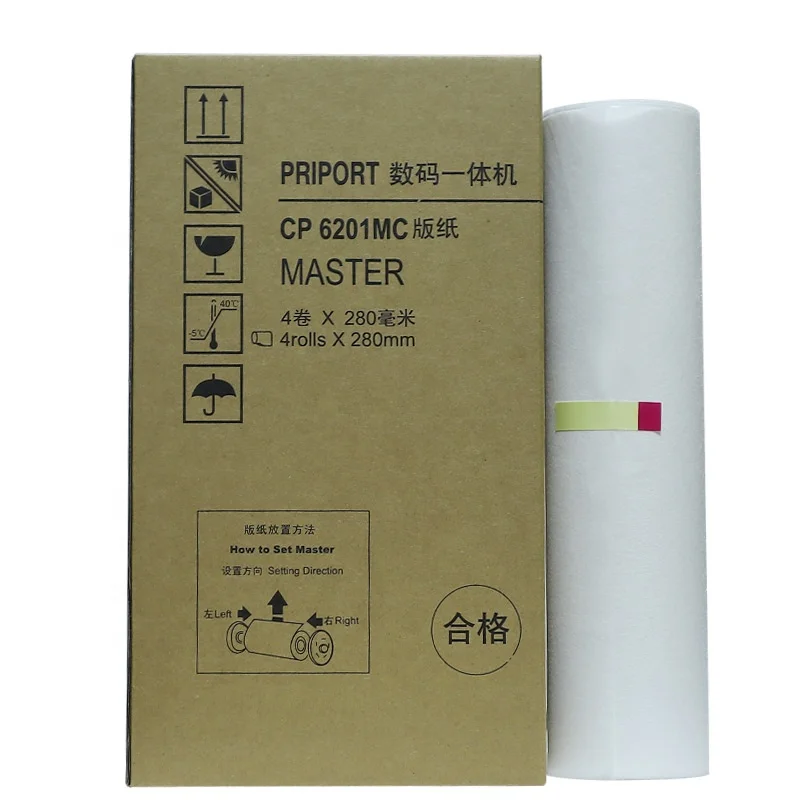
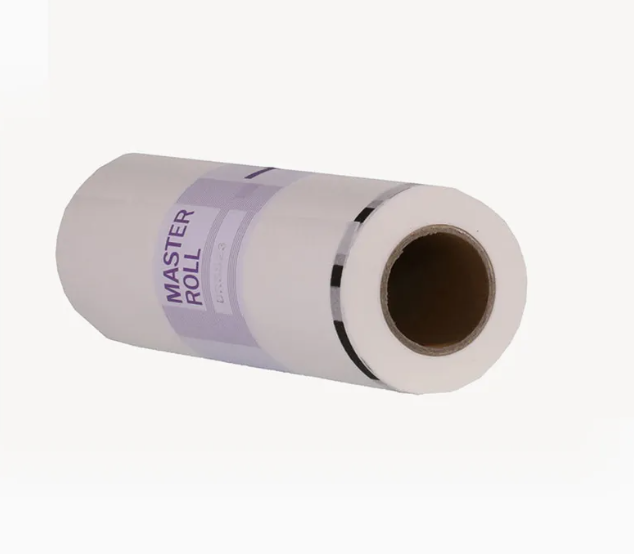
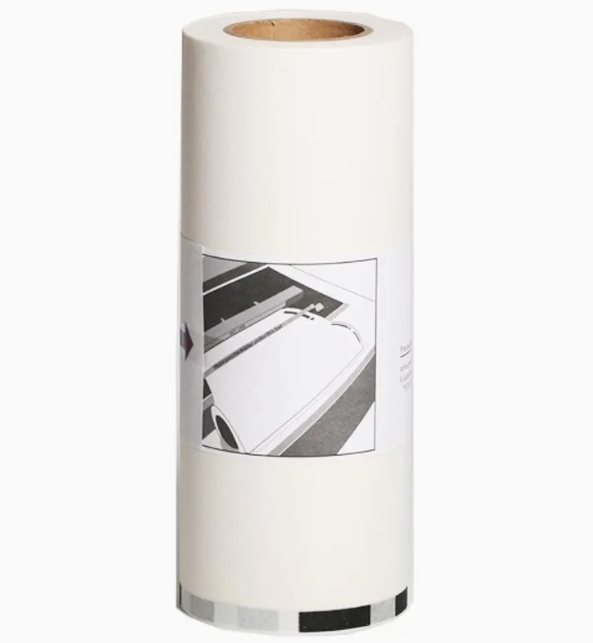
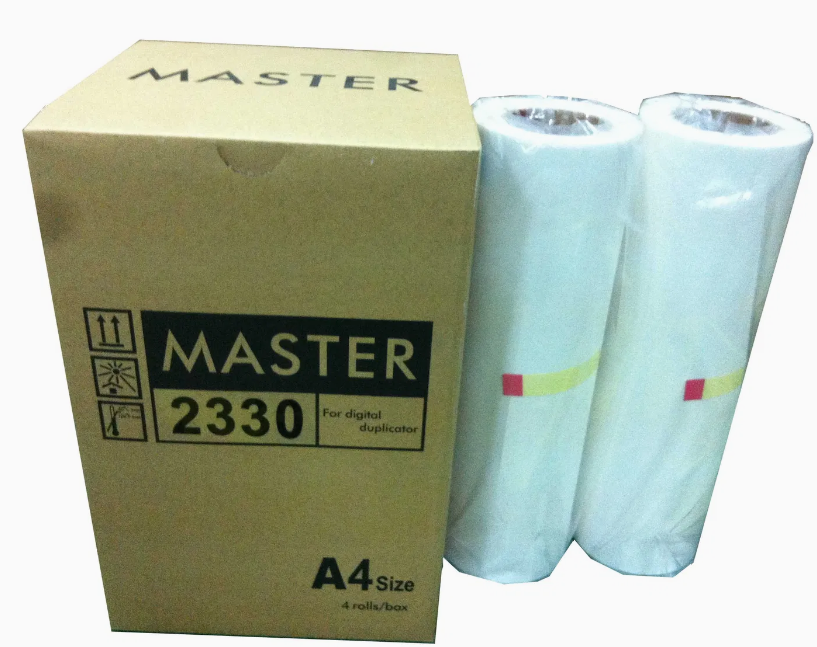
The master roll represents a critical component in modern industrial manufacturing processes, particularly within the metalworking, paper production, and textile industries. This precision-engineered cylindrical device serves as the primary forming tool that shapes, compresses, or embosses materials during continuous production operations. The master roll functions as the authoritative template from which working rolls are created or against which materials are processed to achieve desired surface characteristics, dimensions, and quality standards. In manufacturing environments, the master roll operates under significant pressure and temperature conditions, requiring exceptional durability and dimensional stability. Its construction typically involves high-grade steel alloys or specialized composite materials that resist wear, deformation, and thermal expansion. The surface of a master roll receives meticulous treatment through grinding, polishing, engraving, or coating processes to achieve precise textures, patterns, or functional properties that transfer onto processed materials. Advanced master roll designs incorporate sophisticated cooling channels, bearing systems, and mounting mechanisms that ensure consistent performance throughout extended production runs. The technological features of master roll systems include computerized surface profiling, laser engraving capabilities, chrome plating for enhanced hardness, and specialized coatings that provide release properties or corrosion resistance. Modern master roll manufacturing utilizes CNC machining centers, coordinate measuring machines, and optical inspection systems to maintain tolerances measured in micrometers. Applications span numerous industries where the master roll serves in calender stacks for paper smoothness, embossing rolls for decorative patterns, forming rolls for metal sheet production, and printing cylinders for continuous pattern application. The master roll's precision directly influences product quality, production efficiency, and material waste reduction, making it an indispensable asset for manufacturers seeking competitive advantages through superior output consistency and reduced operational costs.
 EN
EN