 EN
EN

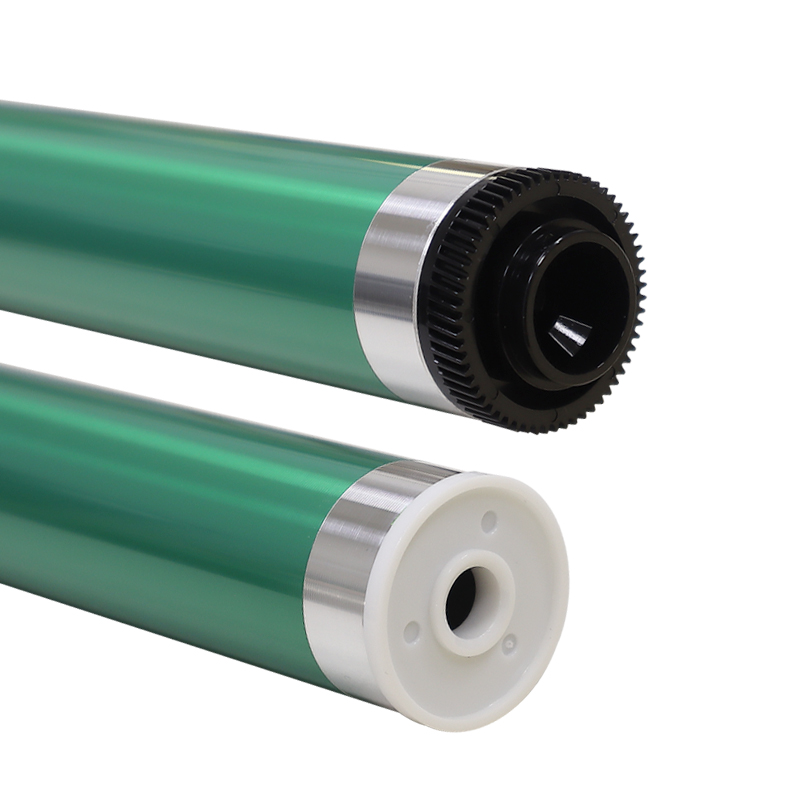
Việc hiểu rõ cách kiểm tra đúng tuổi thọ trống OPC trước khi bổ sung các mẫu máy photocopy mới vào đội xe đại lý của bạn là điều thiết yếu nhằm duy trì độ tin cậy của thiết bị và sự hài lòng của khách hàng. Trống OPC – viết tắt của Organic Photoconductor drum – là một thành phần then chốt trong các máy photocopy và máy in hiện đại, ảnh hưởng trực tiếp đến chất lượng bản in, chi phí sở hữu và hiệu suất tổng thể. máy trước khi đưa bất kỳ mẫu máy nào mới vào hàng tồn kho, các đại lý phải xây dựng một quy trình đánh giá hệ thống về tuổi thọ trống OPC trong điều kiện thực tế. Điều này đảm bảo rằng những thiết bị bạn bán sẽ vận hành ổn định trong suốt thời gian sử dụng dự kiến, từ đó bảo vệ cả danh tiếng của bạn lẫn mối quan hệ với khách hàng.
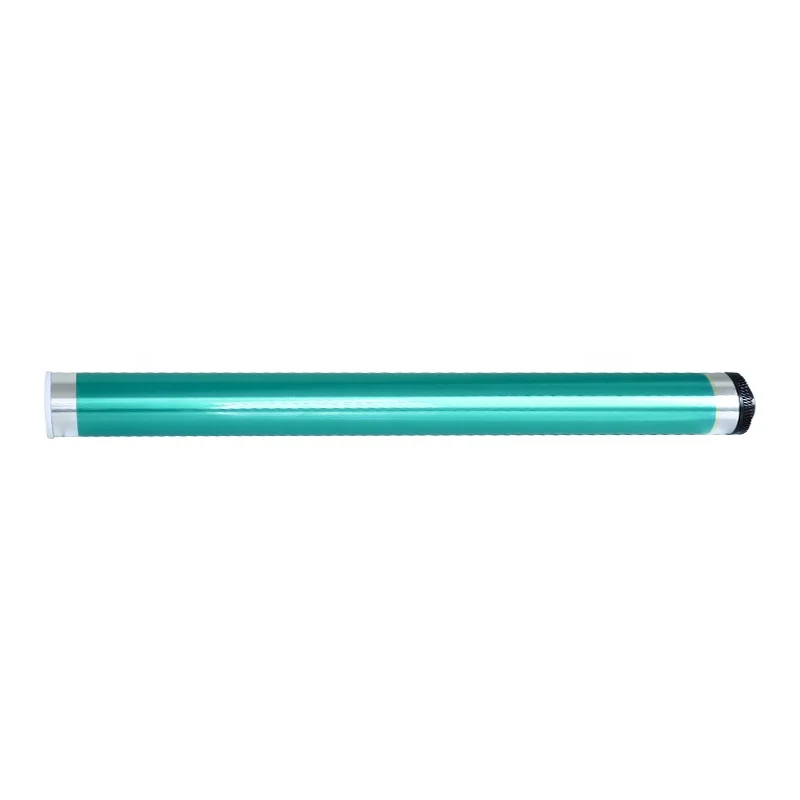
Việc kiểm tra tuổi thọ trống OPC không phải là một sự kiện diễn ra một lần mà là một quy trình đảm bảo chất lượng liên tục, kéo dài từ giai đoạn đánh giá ban đầu cho đến khi triển khai quy mô đầy đủ. Khi bạn đánh giá tuổi thọ trống OPC trên các mẫu máy khác nhau, bạn thu thập được dữ liệu quý giá nhằm hỗ trợ ra quyết định mua sắm, lập kế hoạch bảo hành và xây dựng chiến lược hỗ trợ khách hàng. Mục tiêu là xác định xem trống OPC của mẫu máy mới có thể hoàn thành đáng tin cậy số chu kỳ được ghi nhận trong thông số kỹ thuật, đồng thời duy trì chất lượng hình ảnh ổn định và tránh các hiện tượng hao mòn sớm. Bằng cách thực hiện đánh giá toàn diện về tuổi thọ trống OPC trước khi đưa sản phẩm ra thị trường, bạn có thể tự tin đề xuất những thiết bị mang lại giá trị lâu dài cho cơ sở khách hàng của mình.
Thiết lập các chỉ số chuẩn về tuổi thọ trống OPC
Hiểu rõ số chu kỳ được ghi nhận và hiệu năng dự kiến
Mọi thông số tuổi thọ trống OPC đều bao gồm số chu kỳ được nhà sản xuất công bố, đại diện cho số bản sao hoặc bản in dự kiến mà trống có thể thực hiện trước khi cần thay thế. Tuy nhiên, con số tuổi thọ trống OPC này được tính toán trong điều kiện phòng thí nghiệm và có thể không phản ánh đầy đủ hiệu suất trong các môi trường thực tế đa dạng. Các đại lý phải nhận thức rằng tuổi thọ thực tế của trống OPC tại địa điểm khách hàng có thể thay đổi đáng kể tùy theo các yếu tố như nhiệt độ môi trường, độ ẩm, chất lượng giấy, thói quen sử dụng và phương pháp bảo trì. Trước khi bổ sung các mẫu mới vào danh mục sản phẩm của bạn, hãy thiết lập các chỉ số hiệu suất cơ bản bằng cách xem xét tài liệu kỹ thuật do nhà sản xuất cung cấp, so sánh các xếp hạng tuổi thọ trống OPC giữa các mẫu cạnh tranh và tham vấn kỹ thuật viên dịch vụ có kinh nghiệm thực tế với các thiết bị tương tự.
Chọn các môi trường thử nghiệm tiêu biểu
Để đánh giá chính xác tuổi thọ của trống OPC trước khi triển khai, hãy chọn các môi trường thử nghiệm phản ánh sát nhất cơ sở khách hàng của bạn. Nếu đại lý của bạn chủ yếu phục vụ các văn phòng doanh nghiệp có khối lượng in cao, hãy nhấn mạnh quá trình kiểm tra tuổi thọ trống OPC trong một môi trường văn phòng bận rộn. Nếu bạn làm việc với các tiệm in hoặc cơ quan chính phủ, hãy mô phỏng các mô hình sử dụng tương ứng trong giai đoạn đánh giá của bạn. Việc kiểm tra tuổi thọ trống OPC trong nhiều môi trường khác nhau — từ điều kiện văn phòng tiêu chuẩn đến các cơ sở in có độ ẩm cao — sẽ tiết lộ cách trống phản ứng với các yếu tố căng thẳng thực tế. Ghi lại các chỉ số nhiệt độ và độ ẩm trong suốt thời gian kiểm tra tuổi thọ trống OPC, vì những biến số này ảnh hưởng đáng kể đến tốc độ mài mòn và suy giảm chất lượng hình ảnh. Môi trường thử nghiệm càng đại diện, kết quả đánh giá tuổi thọ trống OPC càng đáng tin cậy.
Thực hiện các quy trình kiểm tra thực tế về tuổi thọ trống OPC
Triển khai kiểm tra tải tăng dần
Kiểm tra tải tăng dần bao gồm việc tăng dần mức độ sử dụng máy trong quá trình đánh giá tuổi thọ trống OPC của bạn. Bắt đầu với mức sử dụng nhẹ trong tuần đầu tiên, mức sử dụng trung bình trong tuần thứ hai và mức sử dụng tối đa vào tuần thứ ba hoặc thứ tư. Cách tiếp cận từng bước này giúp bạn xác định mức độ sử dụng mà hiệu suất tuổi thọ trống OPC bắt đầu suy giảm hoặc khi các vấn đề về chất lượng in lần đầu tiên xuất hiện. Theo dõi các chỉ số chất lượng hình ảnh trong suốt giai đoạn kiểm tra tuổi thọ trống OPC bằng cách giám sát tính nhất quán mật độ, hiệu quả truyền mực và độ sạch nền. Sử dụng một bộ tài liệu kiểm tra nhất quán bao gồm văn bản, đồ họa và nội dung ảnh để đảm bảo đánh giá toàn diện. Bằng cách tăng mức sử dụng từng bước, bạn tạo ra mô phỏng thực tế về cách các mẫu mới sẽ vận hành khi chuyển từ giai đoạn triển khai ban đầu sang chế độ hoạt động ổn định trong môi trường khách hàng.
Thu thập dữ liệu định lượng về chất lượng hình ảnh
Việc kiểm tra tuổi thọ hiệu quả của trống OPC đòi hỏi việc thu thập hệ thống các chỉ số chất lượng hình ảnh thay vì dựa vào cảm nhận chủ quan. Sử dụng máy đo mật độ để đo mật độ mực đặc định kỳ trong suốt thời gian thử nghiệm, đồng thời so sánh kết quả với thông số kỹ thuật do nhà sản xuất cung cấp và các giá trị cơ sở được ghi nhận lúc bắt đầu thử nghiệm. Theo dõi và ghi chép mức độ sạch của nền bằng cách đo lượng mực còn sót lại trên các vùng trắng của trang in. Đánh giá tác động của tuổi thọ trống OPC đến độ chính xác màu sắc khi thử nghiệm thiết bị màu bằng cách so sánh các mảng màu in được với các tiêu chuẩn tham chiếu. Lưu nhật ký chi tiết ghi lại tổng số bản sao, tần suất sử dụng và mọi hành động bảo trì đã thực hiện trên từng thiết bị thử nghiệm. Cách tiếp cận định lượng này trong việc đánh giá tuổi thọ trống OPC cung cấp bằng chứng khách quan nhằm hỗ trợ quyết định của bạn về việc có nên bổ sung các mẫu mới vào hàng tồn kho đại lý hay không một cách tự tin.
Đánh giá kết quả và ra quyết định triển khai
Giải thích dữ liệu thử nghiệm tuổi thọ trống OPC
Sau khi hoàn tất giai đoạn kiểm tra tuổi thọ trống OPC, phân tích dữ liệu đã thu thập để xác định xem mẫu mới có đáp ứng tiêu chuẩn hiệu suất của đại lý bạn hay không. So sánh hiệu suất thực tế về tuổi thọ trống OPC với thông số kỹ thuật do nhà sản xuất công bố, đồng thời tính đến điều kiện môi trường thử nghiệm và mức độ sử dụng cụ thể của bạn. Tìm kiếm bất kỳ xu hướng suy giảm nào cho thấy mòn sớm hoặc các dạng hỏng bất thường ảnh hưởng đến tuổi thọ trống OPC. Đặc biệt lưu ý xem chất lượng in có suy giảm nhanh hơn về cuối giai đoạn thử nghiệm hay không — điều này cho thấy tuổi thọ trống OPC đang tiến gần đến giới hạn trước thời điểm dự kiến. Cân nhắc xem chất lượng hình ảnh có duy trì ở mức chấp nhận được trong suốt toàn bộ số chu kỳ được ghi rõ hay không; đây là yếu tố quan trọng hơn việc chỉ đơn thuần đạt đến con số quy định, bởi vì chất lượng đầu ra kém gần cuối tuổi thọ trống OPC sẽ gây bất mãn cho khách hàng, bất kể xếp hạng kỹ thuật ra sao.
Lập kế hoạch bảo hành dựa trên kết quả kiểm tra tuổi thọ trống OPC
Kết quả kiểm tra tuổi thọ trống OPC của quý vị nên trực tiếp định hướng các kế hoạch bảo hành và bảo trì mà quý vị cung cấp cho khách hàng mua các mẫu xe mới. Nếu kết quả kiểm tra cho thấy tuổi thọ trống OPC vượt mức đánh giá của nhà sản xuất trong điều kiện sử dụng điển hình của khách hàng, quý vị có thể tự tin mở rộng phạm vi bảo hành và xây dựng các đề xuất giá trị mạnh mẽ hơn. Ngược lại, nếu kiểm tra tuổi thọ trống OPC cho thấy mức hao mòn nhanh hơn kỳ vọng, quý vị cần điều chỉnh khoảng cách giữa các lần bảo dưỡng, đưa việc thay thế trống OPC chủ động vào kế hoạch bảo trì hoặc xem xét lại việc có nên ra mắt mẫu xe đó hay không. Hãy ghi chép lại các phát hiện về tuổi thọ trống OPC dưới dạng tài liệu mà đội ngũ bán hàng và dịch vụ của quý vị có thể dễ dàng tra cứu khi thảo luận các lựa chọn với khách hàng. Cách tiếp cận dựa trên dữ kiện để đánh giá tuổi thọ trống OPC này giúp xây dựng niềm tin của khách hàng, giảm thiểu sự cố bất ngờ và khẳng định đại lý của quý vị là một đối tác đáng tin cậy, thực sự quan tâm đến thành công của khách hàng chứ không chỉ đơn thuần đẩy hàng tồn kho.
Câu hỏi thường gặp
Các đại lý nên thực hiện kiểm tra tuổi thọ trống OPC bao nhiêu lần khi ra mắt các mẫu xe mới?
Các đại lý nên thực hiện kiểm tra độ bền của trống OPC một cách toàn diện trước khi chính thức ra mắt bất kỳ dòng mô hình mới nào tới cơ sở khách hàng của mình. Tối thiểu, việc đánh giá độ bền của trống OPC cần được tiến hành trong khoảng 30 đến 60 ngày tại các môi trường tiêu biểu nhằm thu thập đủ dữ liệu về mức độ sử dụng. Nếu có những thay đổi lớn về thiết kế máy trong các phiên bản tiếp theo của một mô hình hiện có, cần đánh giá lại độ bền của trống OPC ngay cả khi bạn đã có kinh nghiệm trước đây với dòng mô hình gốc. Ngoài ra, cần xem xét định kỳ dữ liệu hiệu suất độ bền của trống OPC từ các hệ thống lắp đặt tại chỗ của khách hàng để nhận diện bất kỳ xu hướng bất thường nào có thể yêu cầu cập nhật quy trình kiểm tra.
Tài liệu cụ thể nào nên được sử dụng để kiểm tra tính nhất quán về độ bền của trống OPC?
Sử dụng một bộ tài liệu kiểm tra tiêu chuẩn bao gồm nhiều loại nội dung khác nhau như trang đen đặc, đồ họa nửa sắc độ nhạt, văn bản chi tiết với nhiều cỡ phông chữ khác nhau và nội dung màu (nếu đang kiểm tra máy in màu). Sự đa dạng về nội dung này đảm bảo rằng việc kiểm tra tuổi thọ trống OPC phản ánh đúng các mô hình sử dụng thực tế, chứ không chỉ đơn thuần là việc sao in văn bản hoặc hình ảnh. Nhiều đại lý sử dụng biểu đồ kiểm tra theo tiêu chuẩn ngành, được thiết kế đặc biệt nhằm đánh giá tuổi thọ trống OPC và các chỉ số chất lượng in. Việc xây dựng một bộ tài liệu kiểm tra nhất quán và có thể lặp lại cho phép bạn so sánh khách quan kết quả tuổi thọ trống OPC giữa các mẫu máy khác nhau và trong các giai đoạn kiểm tra khác nhau.
Những dấu hiệu cảnh báo nào cho thấy máy đã đạt đến cuối vòng đời trống OPC?
Các dấu hiệu cảnh báo sớm về tuổi thọ giảm dần của trống OPC bao gồm: mật độ hình ảnh giảm dần, các đốm mực nền xuất hiện trên những vùng giấy trắng, sự lệch màu trên các máy in màu và các vết xước hoặc khuyết tật có thể nhìn thấy trên trang in. Bạn cũng có thể nhận thấy tình trạng kẹt giấy tăng lên, mực in bị nhòe hoặc khó duy trì chất lượng in ổn định trong suốt cả loạt bản in. Khi nhiều dấu hiệu cảnh báo xuất hiện đồng thời, điều này thường cho thấy tuổi thọ trống OPC đang gần cạn kiệt và việc thay thế là điều sắp xảy ra. Việc xử lý chủ động các dấu hiệu này trong giai đoạn kiểm tra giúp bạn xác lập các khoảng thời gian bảo trì thực tế và thiết lập kỳ vọng phù hợp cho khách hàng về tuổi thọ trống OPC trước khi đưa ra quyết định mua hàng.