 EN

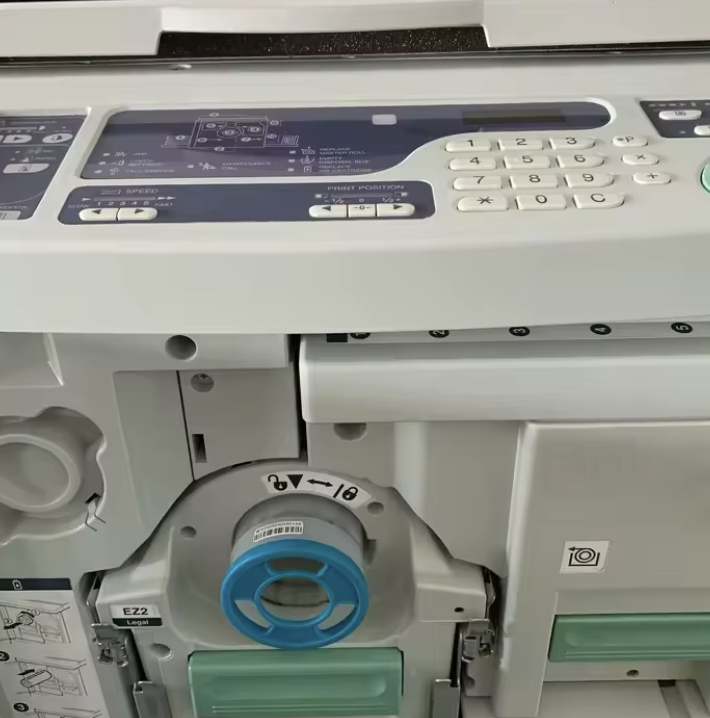
A duplicator represents a critical investment for any organization handling high-volume document reproduction. When running extended print jobs, maintaining output consistency becomes paramount to delivering professional results. Understanding what keeps a duplicator performing uniformly across hundreds or thousands of copies directly impacts operational efficiency and document quality. This guide explores the mechanisms, maintenance practices, and design features that enable a duplicator to sustain reliable output throughout demanding production schedules.
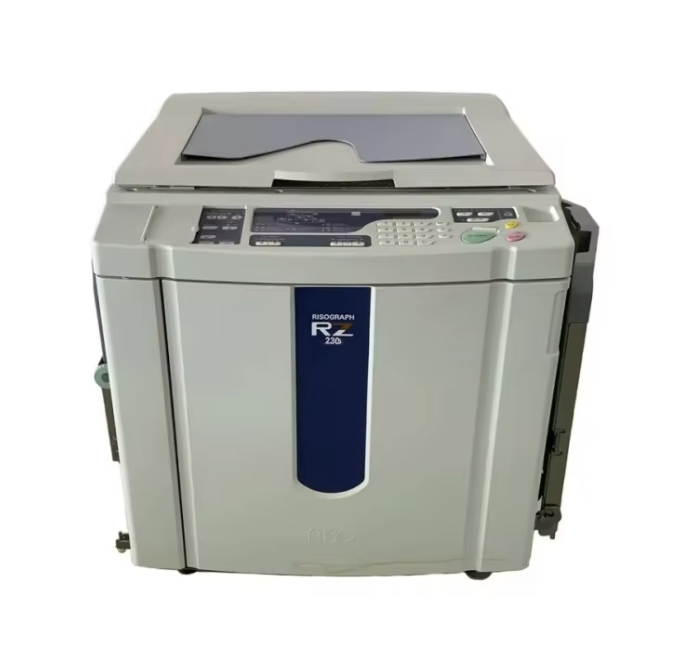
Long print jobs push a duplicator to its operational limits, exposing weaknesses in mechanical precision and component stability. Professional-grade duplicators are engineered with redundant systems and precision calibration to handle these demands reliably. The difference between a duplicator that maintains output quality and one that suffers degradation lies in its design architecture, materials, preventive maintenance regimen, and environmental control measures. Organizations relying on consistent document output must understand these foundational principles to maximize their duplicator investment.
Mechanical Precision and Component Stability in Duplicators
Drum and Developer System Alignment
The core of any duplicator relies on precise drum and developer alignment to produce consistent image density across every copy. When a duplicator drum rotates through thousands of cycles during extended production, even microscopic misalignments compound into visible quality degradation. Professional duplicator units employ precision bearings and calibration systems that maintain drum concentricity within strict tolerances. The developer roller, responsible for transferring toner to the drum surface, must maintain consistent contact pressure throughout the entire print run. A quality duplicator incorporates mechanical feedback systems that detect and automatically compensate for any deviation in developer-to-drum spacing, ensuring uniform toner application cycle after cycle.
Fusing System Temperature Stability
The fusing system in a duplicator represents one of the most thermally demanding components, and temperature stability directly correlates with output consistency. When a duplicator processes continuous long print jobs, the fusing rollers must maintain precise temperature within a narrow band, typically plus or minus two degrees Celsius. Advanced duplicator models incorporate dual-sensor temperature monitoring that regulates heating elements in real time, preventing the temperature fluctuations that cause inconsistent toner adhesion and image quality variations. The quality of thermal insulation surrounding the fusing assembly determines how effectively a duplicator resists environmental temperature changes. Premium duplicator systems include ceramic heaters and proportional control circuits that respond instantly to thermal drift, maintaining output uniformity regardless of ambient conditions or job duration.
Consumable Management and Supply Consistency
Toner Cartridge Performance During Extended Use
Toner consistency within a duplicator cartridge directly impacts image density, contrast, and color accuracy throughout a print job. As a duplicator toner supply depletes, the remaining toner experiences increased compaction and moisture absorption, which alters its flow characteristics and electrical properties. A high-performance duplicator incorporates agitation systems that maintain toner fluidity and prevent settling, ensuring the duplicator supplies consistent particle density to the developer system regardless of cartridge fill level. Some advanced duplicator models feature toner level sensors that adjust developer bias voltage in real time, compensating for supply depletion and maintaining output density across the entire cartridge lifecycle. This proactive approach ensures a duplicator delivers uniform output quality from the first copy through the final page of a multi-thousand-copy job.
Paper Feed Reliability and Media Handling
Paper quality and feed reliability profoundly influence whether a duplicator maintains consistent output throughout long print jobs. A duplicator equipped with precision paper pickup rollers and vacuum feed systems eliminates paper jams and double feeds that disrupt print consistency. The feed system in a robust duplicator includes tension sensors and slip clutches that apply optimal pickup pressure regardless of paper thickness or humidity level. Media variation across a single print job can degrade duplicator output quality unless the feed mechanism actively compensates for dimensional changes. Advanced duplicator systems monitor paper path resistance and automatically adjust feed timing to maintain consistent paper positioning at the print point, ensuring every page from a duplicator receives identical exposure and fusing conditions.
Thermal Control and Environmental Adaptation in Duplicators
Climate Compensation Systems
Environmental factors including room temperature, humidity, and ambient light exposure influence duplicator output stability during extended operation. A well-designed duplicator incorporates climate compensation algorithms that adjust electrical parameters in response to environmental changes detected by onboard sensors. When ambient temperature rises, a duplicator automatically reduces developer bias voltage to prevent toner overdevelopment that would darken output. Conversely, when humidity increases, the duplicator adjusts drum surface potential to optimize toner adhesion despite moisture-related conductivity changes. Premium duplicator models include independent environmental monitoring zones that apply localized compensation to different mechanical subsystems, maintaining output uniformity across varying workstation conditions. This adaptive approach allows a duplicator to sustain professional output quality regardless of seasonal variations or building HVAC inconsistencies.
Scheduled Maintenance and Preventive Service
The difference between a duplicator that degrades gradually and one that maintains consistency throughout long jobs often comes down to preventive maintenance discipline. Regular cleaning of optical components, replacement of wear items at recommended intervals, and calibration verification ensure a duplicator continues performing at specification. A maintenance schedule tailored to a duplicator's duty cycle prevents component wear from accumulating into visible output defects during critical production runs. Professional service technicians measure duplicator output density, registration accuracy, and color balance at established intervals, identifying emerging issues before they impact document quality. Organizations prioritizing duplicator longevity and consistency invest in preventive maintenance programs that treat component replacement and calibration as essential operating expenses rather than reactive repairs.
FAQ
How does a duplicator maintain toner density throughout a long print job?
A duplicator uses real-time density sensors to monitor output darkness and automatically adjust developer voltage and toner supply flow to compensate for cartridge depletion and environmental changes. This feedback control system ensures that the first and last pages of a thousand-copy job appear virtually identical in density and color saturation, maintaining professional document appearance throughout extended production.
What role does temperature control play in duplicator output consistency?
Temperature stability in a duplicator's fusing system determines whether toner properly melts and bonds to paper consistently across the entire print run. A duplicator with precise thermal management maintains fusing temperature within tight tolerances, preventing the density fluctuations, smudging, and registration errors that occur when fusing conditions drift during long jobs. Advanced duplicator systems use proportional heating control and multi-point temperature sensors to respond instantly to thermal changes.
Can regular maintenance actually improve a duplicator's consistency during long jobs?
Yes, preventive maintenance directly enhances a duplicator's ability to sustain consistent output during extended production runs. Cleaning optical components removes dust that scatters laser light, replacing worn developer rollers restores proper toner transfer, and calibration verification ensures mechanical systems remain within specification. A duplicator subjected to planned maintenance maintains output quality throughout long jobs far more reliably than a unit operating without systematic service interventions.