 EN
EN

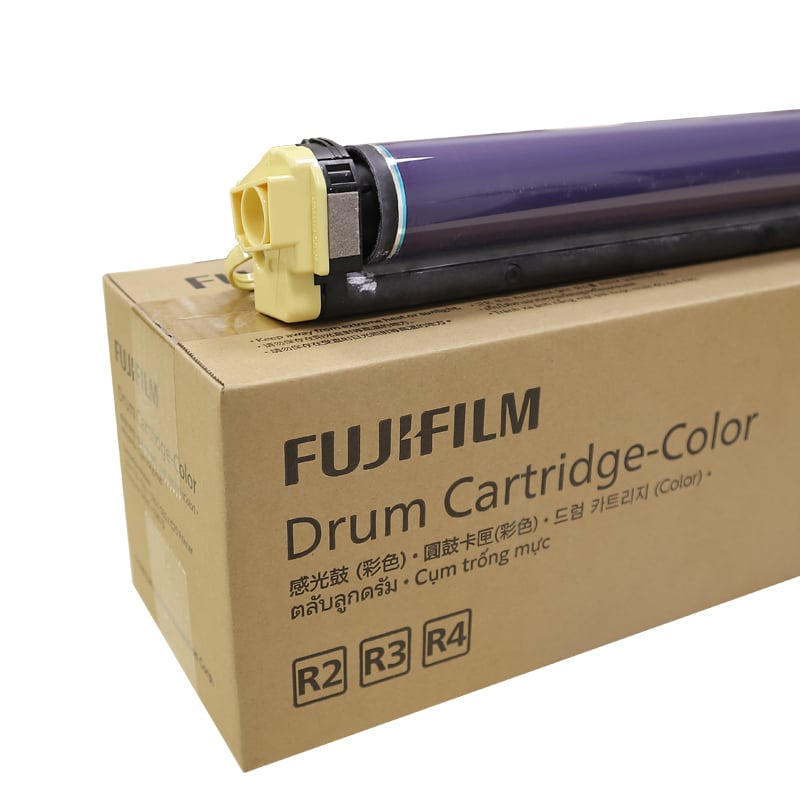
Wady obrazu w sprzęcie biurowym stanowią jedno z najbardziej irytujących wyzwań operacyjnych dla menedżerów obiektów i działów drukowania. Gdy na wydrukowanych stronach pojawiają się powtarzające się wady obrazu, ich pierwotną przyczyną często są jakość oraz specyfikacje powłoki bębna OPC stosowanej w systemie tworzenia obrazu. Zrozumienie, jakie specyfikacje powłoki bębna OPC zapobiegają tym wadom, jest kluczowe dla utrzymania spójnej jakości wydruku oraz minimalizacji kosztownych przestojów.
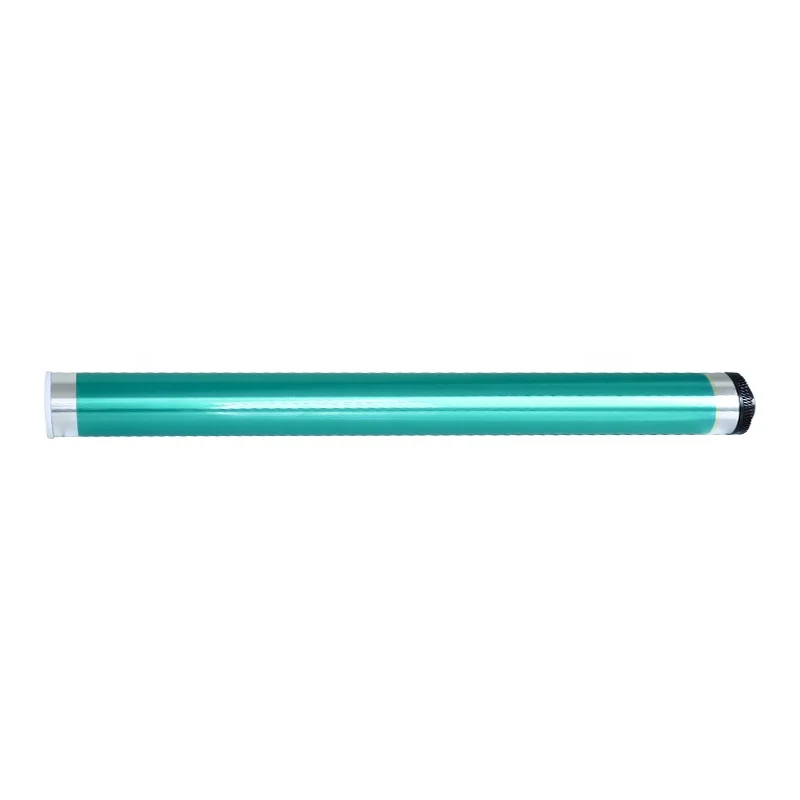
Organiczny bęben fotoelektryczny (OPC) stanowi rdzeń procesu tworzenia obrazu, a jego powłoka bezpośrednio wpływa na skuteczność przywierania toneru do papieru oraz na czystotę przenoszenia obrazu. Gdy specyfikacje powłoki bębna OPC nie spełniają standardów branżowych, niemożliwe jest uniknięcie problemów takich jak paski, smugi, rozpraszanie toneru czy zjawisko duchów obrazu. W niniejszym artykule omawiane są kluczowe specyfikacje powłoki bębna OPC eliminujące te wady i zapewniające niezawodną pracę kserokopii.
Zrozumienie specyfikacji powłoki bębna OPC oraz ich wpływu
Dlaczego specyfikacje powłoki bębna OPC mają znaczenie
Specyfikacje powłoki bębna OPC określają grubość, jednorodność oraz skład chemiczny warstwy światłoczułej naniesionej na podłożie aluminiowe. Poprawnie dobrana powłoka bębna OPC zapewnia jednolite rozkładanie się ładunku elektrostatycznego na powierzchni bębna, co jest podstawą uzyskiwania wyrazistych obrazów. Gdy grubość powłoki odchodzi od określonej wartości, gęstość ładunku staje się niestabilna, co prowadzi do obszarów nadmiernego lub niedostatecznego naświetlenia – widocznych jako wady w końcowym wydruku.
Skład powłoki bębna OPC również określa, jak dobrze ta powłoka opiera się zużyciu i degradacji chemicznej. Specyfikacje przemysłowej powłoki bębna OPC obejmują wiązadła, czuliki oraz dodatki ochronne, które współpracują ze sobą, aby utrzymać jakość obrazu przez tysiące cykli kopiowania. Niedostateczne formuły nie zawierają tych kluczowych składników, co powoduje przedwczesną degradację powłoki oraz powstawanie powtarzających się wad, które irytują operatorów.
Jak grubość powłoki wpływa na jakość obrazu
Specyfikacje grubości powłoki bębna OPC zwykle zawierają się w zakresie od 20 do 30 mikronów, w zależności od projektu producenta sprzętu. Ten precyzyjny zakres nie jest przypadkowy: odzwierciedla optymalny kompromis między zdolnością utrzymywania ładunku a wydajnością przenoszenia toneru. Gdy grubość powłoki bębna OPC spada poniżej 20 mikronów, fotoreceptor traci zdolność do utrzymywania jednolitego ładunku elektrostatycznego, co powoduje nieregularne rozpraszanie toneru na stronie. Z kolei nadmierna grubość powłoki bębna OPC może utrudniać prawidłową dystrybucję ładunku i spowalniać cykl tworzenia obrazu.
Kluczowe specyfikacje powłoki bębna OPC zapobiegające wadom
Standardy gładkości i jednorodności powierzchni
Gładkość powierzchni jest kluczowym parametrem specyfikacji powłoki bębna OPC, który bezpośrednio wpływa na rozdzielczość obrazu i zapobieganie wadom. Premiumowe specyfikacje powłoki bębna OPC utrzymują wartość chropowatości powierzchni poniżej 0,4 mikrona, zapewniając stały kontakt między bębnem a walcem nośnym tonera. Gdy powierzchnia powłoki bębna OPC staje się chropowata lub nierówna, dystrybucja tonera staje się nieregularna, co powoduje prążki i przerwy na wydrukowanych obrazach. Producenci urządzeń określają te wymagania specyfikacji powłoki bębna OPC, aby zagwarantować, że każdy bęben zapewnia jednolitą jakość obrazu od pierwszej do ostatniej kopii.
Jednolitość obejmuje nie tylko teksturę powierzchniową, ale także spójność chemiczną powłoki na całym obwodzie bębna. Specyfikacje wysokiej jakości dla bębnów OPC są nanoszone za pomocą precyzyjnych technik, które zapewniają, że warstwa światłoczuła zachowuje identyczne właściwości we wszystkich punktach obwodu bębna. Tańsze alternatywy często wykazują nieregularności w powłoce, powodujące lokalne wady obrazu, takie jak powtarzające się smugi lub pasy pojawiające się w regularnych odstępach odpowiadających cyklom obrotu bębna.
Skład chemiczny i właściwości kontrolujące ładunek
Wrażliwość i zdolność do utrzymywania ładunku wbudowane w specyfikacje powłoki bębna OPC to cechy, które odróżniają profesjonalne bębny od gorszych alternatyw. Wysokiej klasy specyfikacje powłoki bębna OPC obejmują materiały fotoelektryczne, które reagują spójnie na wzory ekspozycji świateł stosowane w procesie tworzenia obrazu. Gdy specyfikacje powłoki bębna OPC nie zawierają odpowiednich czynników wrażliwych na światło, fotoprzewodnik albo traci ładunek zbyt szybko, albo zachowuje ładunek pozostałościowy – oba przypadki powodują efekt cienia obrazu oraz problemy z przyczepnością tonera.
Stabilność środowiskowa stanowi kolejny kluczowy aspekt jakości specyfikacji powłoki bębna OPC. Spoiwo oraz dodatki ochronne w wysokiej klasy specyfikacjach powłoki bębna OPC odpornościowe na utlenianie, pochłanianie wilgoci i naprężenia termiczne. Bębny wyprodukowane przy użyciu niewłaściwych specyfikacji powłoki bębna OPC ulegają degradacji pod wpływem typowej wilgotności i fluktuacji temperatury w biurze, co prowadzi do stopniowego pogarszania się jakości obrazu z upływem czasu. Dlatego dopasowanie specyfikacji powłoki bębna OPC do konkretnego sprzętu oraz środowiska eksploatacyjnego zapobiega łańcuchowi problemów charakterystycznemu dla tańszych alternatyw.
Wybór bębnów z potwierdzonymi specyfikacjami powłoki bębna OPC
Rozpoznawanie autentycznych standardów specyfikacji powłoki bębna OPC
Przy ocenie bębnów zamiennych należy sprawdzić, czy specyfikacje powłoki bębna OPC są zgodne z dokumentowanymi wymaganiami opublikowanymi przez producenta sprzętu. Autentyczne informacje o specyfikacjach powłoki bębna OPC powinny obejmować pomiary grubości w mikronach, wartości chropowatości powierzchni oraz specyfikacje zdolności do utrzymywania ładunku. Wielu dostawców twierdzi, że jego produkty spełniają te specyfikacje powłoki bębna OPC, ale nie posiada weryfikacji niezależnej strony trzeciej ani dokumentacji testów. Wymaganie arkuszy specyfikacji, certyfikatów testów oraz gwarancji zapewnia, że otrzymasz bębny, których specyfikacje powłoki bębna OPC rzeczywiście odpowiadają potrzebom Twojego sprzętu.
Proces produkcyjny stosowany do nanoszenia warstwy na bębnie OPC ma ogromny wpływ na to, czy końcowy produkt rzeczywiście spełnia określone parametry. Uznani producenci stosują rygorystyczny kontrolę jakości, która mierzy grubość warstwy na bębnie OPC w wielu punktach, testuje właściwości ładunkowe zgodnie ze standaryzowanymi metodami oraz weryfikuje gładkość powierzchni przed opuszczeniem bębnów fabryki. To zaangażowanie w precyzję parametrów warstwy na bębnie OPC jest tym, co odróżnia produkty rozwiązania eliminujące wady obrazu od tańszych alternatyw, które jedynie chwilowo zmniejszają objawy.
Najlepsze praktyki implementacji
Zainstalowanie bębna z certyfikowanymi specyfikacjami powłoki OPC to tylko połowa rozwiązania; prawidłowa konserwacja sprzętu zapewnia, że bęben będzie spełniał swoje specyfikacje. Regularnie czyść wałek naładowania, wałek dozowania i ścieżkę papieru, aby zapobiec gromadzeniu się zanieczyszczeń na powierzchni powłoki OPC. Chronij sprzęt przed gwałtownymi zmianami temperatury i skokami wilgotności, które mogą obniżyć wydajność powłoki OPC w całym okresie eksploatacji. Przestrzeganie procedur konserwacji zaleconych przez producenta maksymalizuje okres użytkowania inwestycji w powłokę OPC oraz utrzymuje jakość obrazu, od której zależy poprawne funkcjonowanie Twojej działalności.
Dokumentuj moment montażu bębnów z weryfikowanymi specyfikacjami powłoki OPC i monitoruj jakość wydruku w pierwszych kilkuset cyklach kopiowania. Ta podstawa pozwala odróżnić wady wynikające z nieprawidłowej konserwacji od tych spowodowanych degradacją specyfikacji powłoki OPC. Gdy śledzisz te dane, możliwa staje się analiza wzorców; jeśli wady pojawiają się ponownie w przewidywalnych odstępach czasu, masz konkretne dowody na to, że specyfikacje powłoki OPC w obecnych bębnach wymagają ulepszenia, aby spełniać wyższe standardy wydajności, albo że warunki środowiskowe wymagają dostosowania.
Często zadawane pytania
Jaka jest optymalna grubość specyfikacji powłoki OPC?
Idealna grubość powłoki na bębnie OPC zwykle mieści się w zakresie od 20 do 30 mikronów, w zależności od konkretnego modelu urządzenia. Dokładna wymagana grubość powłoki na bębnie OPC jest określona w specyfikacjach producenta i zapewnia optymalną wydajność. Bębny wyprodukowane z odchyleniem od tego zakresu dają niestabilną jakość obrazu oraz powtarzające się wady. Zawsze sprawdzaj wymaganą grubość powłoki na bębnie OPC w instrukcji obsługi swojego urządzenia przed zakupem bębnów zamiennych, aby upewnić się, że są one zgodne z projektem systemu.
W jaki sposób jakość powłoki na bębnie OPC wpływa na przyczepność toneru?
Jakość powłoki bębna OPC bezpośrednio wpływa na jednolitość rozkładu ładunku elektrostatycznego na powierzchni bębna, co z kolei kontroluje sposób przywierania cząsteczek tonera do fotoprzewodnika. Gdy specyfikacje powłoki bębna OPC zapewniają odpowiednią grubość, jednolitość oraz skład chemiczny, toner przywiera w przewidywalny sposób i przenosi się czysto na papier. Niedoskonałe specyfikacje powłoki bębna OPC powodują nieregularny rozkład ładunku, co skutkuje rozpraszaniem tonera lub jego nieprawidłowym przenoszeniem, prowadząc do widocznych wad, takich jak paski, smugi oraz niekompletne obrazy.
Jak często należy wymieniać bębny, aby utrzymać wydajność zgodną ze specyfikacjami powłoki bębna OPC?
Interwał wymiany bębna OPC, zapewniający optymalną wydajność jego powłoki, zależy od objętości kopiowania i modelu urządzenia. W przypadku intensywnego użytkowania bębnów zwykle wymienia się co 200 000–500 000 kopii, podczas gdy w środowiskach o niskim obciążeniu interwały te mogą być wydłużone. Należy ciągle monitorować jakość obrazu; pojawienie się powtarzających się wad mimo prawidłowej konserwacji wskazuje na degradację powłoki bębna OPC i konieczność jego wymiany. Zobacz zalecenia producenta urządzenia dotyczące konkretnego harmonogramu wymiany powłoki bębna OPC dostosowanego do Twoich wymagań operacyjnych.