 EN
EN

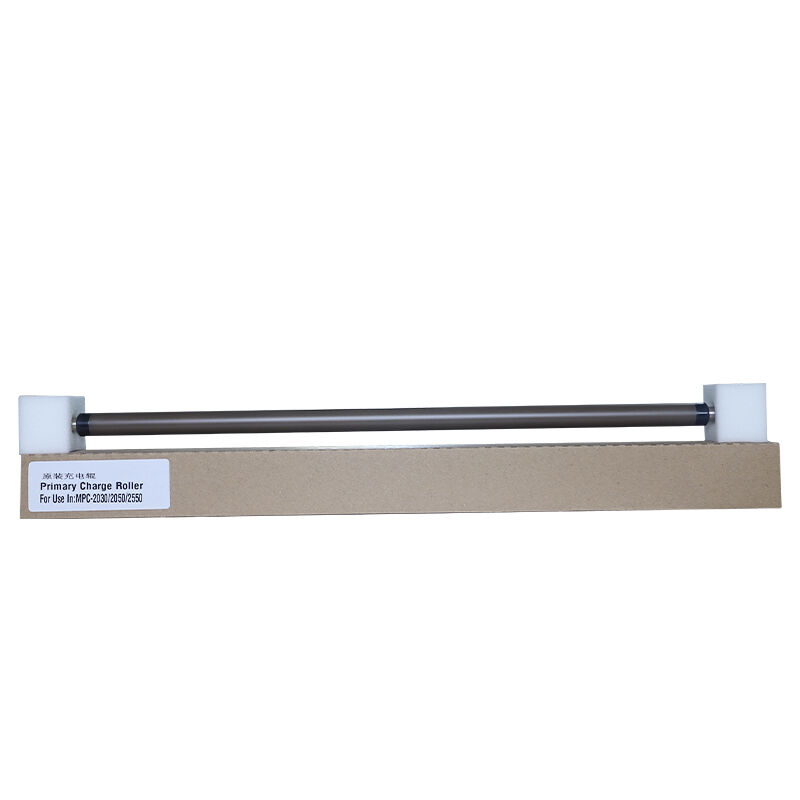
The walczek Podstawowego Nabijań jest jednym z najważniejszych elementów w nowoczesnych systemach drukujących, szczególnie w kopiarkach i wielofunkcyjnych urządzeniach do drukowania. Ten kluczowy element odgrywa istotną rolę w procesie elektrostatycznego drukowania, nadając jednolady ładunek elektryczny powierzchni bębna światłoczułego. Zrozumienie właściwych metod konserwacji głównego wałka naładowania pozwala znacznie wydłużyć jego czas użytkowania oraz zapewnić stałą jakość wydruków przez cały okres eksploatacji.
Profesjonalne konserwowanie elementów sprzętu drukarskiego wymaga systemowych podejść oraz starannej uwagi na czynniki środowiskowe. Główny wałek naładowania działa zgodnie z precyzyjnymi specyfikacjami elektrycznymi i utrzymuje bezpośredni kontakt z powierzchnią fotoprzewodnika w każdym cyklu drukowania. Ta ciągła praca poddaje wałek różnym formom zużycia, zanieczyszczenia oraz degradacji elektrycznej, które mogą pogorszyć zarówno wydajność, jak i trwałość urządzenia, jeśli nie zostaną one odpowiednio zniwelowane za pomocą protokołów konserwacji zapobiegawczej.
Zrozumienie funkcji głównego wałka naładowania oraz wzorców jego zużycia
Podstawy procesu naładowania elektrostatycznego
Podstawowy wałek naładowania działa poprzez nanoszenie kontrolowanego ładunku elektrycznego na całą powierzchnię bębna światłoczułego przed ekspozycją laserem. W tym procesie wałek musi zapewniać stałą przewodność elektryczną oraz jednolite naciskanie na powierzchnię bębna. Proces naładowania odbywa się tysiące razy podczas typowych operacji drukowania, co powoduje nagromadzenie naprężeń w przewodzącej warstwie powłoki wałka oraz jego elementach wewnętrznych.
Podczas normalnej pracy główny wałek ładujący musi pokonywać różne opory, takie jak zanieczyszczenia powierzchni, wahania wilgotności i temperatury. Te warunki środowiskowe bezpośrednio wpływają na zdolność wałka do utrzymania równomiernego rozkładu ładunku, co sprawia, że regularna konserwacja jest niezbędna dla optymalnej wydajności. Zrozumienie tych fundamentalnych procesów pomaga technikom zidentyfikować potencjalne potrzeby konserwacyjne, zanim spadek wydajności stanie się widoczny w jakości wydruków.
Typowe wskaźniki zużycia i tryby uszkodzeń
Wizualna kontrola głównego wałka naładowania ujawnia kilka typowych wzorów zużycia wskazujących na konieczność konserwacji. Zanieczyszczenie powierzchni cząstkami tonera, pyłem papierowym oraz zanieczyszczeniami środowiskowymi powoduje nieregularne wzory naładowania, które przejawiają się problemami z jakością wydruku. Dodatkowo warstwa przewodząca może pokrywać się mikroskopijnymi pęknięciami lub miejscami zużycia, co pogarsza ciągłość elektryczną oraz jednorodność rozkładu ładunku.
Zużycie mechaniczne występuje głównie w punktach styku, w których główny wałek naładowania styka się z bębnem światłoczułym oraz elementami wspierającymi. Zużycie to objawia się zwykle spłaszczonymi obszarami, bruzdami lub nieregularną teksturą powierzchni, uniemożliwiającymi utrzymanie odpowiedniego nacisku kontaktowego. Wczesne wykrycie tych wzorów zużycia umożliwia zapobiegawcze działania konserwacyjne jeszcze przed koniecznością całkowitej wymiany wałka.
Kontrola środowiska i warunki eksploatacji
Kontrola temperatury i wilgotności
Optymalne warunki środowiskowe odgrywają kluczową rolę w maksymalizowaniu czasu eksploatacji wałka ładowania pierwotnego. Stabilność temperatury w zakresach określonych przez producenta zapobiega problemom związанныm z rozszerzaniem termicznym, które mogą powodować naprężenia mechaniczne oraz zmiany w parametrach elektrycznych. Nadmierna temperatura przyspiesza starzenie się materiałów przewodzących i może prowadzić do zmian wymiarowych wpływających na nacisk kontaktowy oraz jednorodność ładowania.
Kontrola wilgotności zapobiega zanieczyszczeniom spowodowanym wilgocią, które mogą pogorszyć właściwości elektryczne walczek Podstawowego Nabijań . Wysokie poziomy wilgotności sprzyjają korozji elementów metalowych i mogą powodować zanieczyszczenia higroskopijne, które zakłócają prawidłową przewodność elektryczną. Z kolei skrajnie niskie poziomy wilgotności mogą zwiększać gromadzenie się ładunków elektrostatycznych oraz powodować niestabilne zachowanie podczas ładowania, co obciąża systemy elektryczne wałka.
Strategie zapobiegania kontaminacji
Wdrożenie skutecznych środków zapobiegawczych przed zanieczyszczeniem znacząco wydłuża okres użytkowania głównego wałka naładowania. Regularne czyszczenie otoczenia drukarki usuwa cząstki unoszące się w powietrzu, które mogą osadzać się na powierzchni wałka i zakłócać prawidłowy kontakt elektryczny. Systemy filtracji powietrza wspomagają utrzymanie czystych warunków pracy oraz zmniejszają częstotliwość szczegółowych procedur czyszczenia wymaganych do optymalnej konserwacji wałka.
Zastosowanie odpowiednich procedur postępowania podczas czynności konserwacyjnych zapobiega wprowadzeniu zanieczyszczeń, które mogłyby pogorszyć wydajność wałka. Używanie odpowiednich materiałów i technik czyszczących zapewnia skuteczne usunięcie istniejących zanieczyszczeń bez uszkodzenia delikatnych przewodzących powierzchni. Dokumentowanie procedur czyszczenia oraz poziomów zanieczyszczenia umożliwia opracowanie harmonogramów konserwacji dostosowanych do konkretnych warunków eksploatacyjnych i wzorców użytkowania.
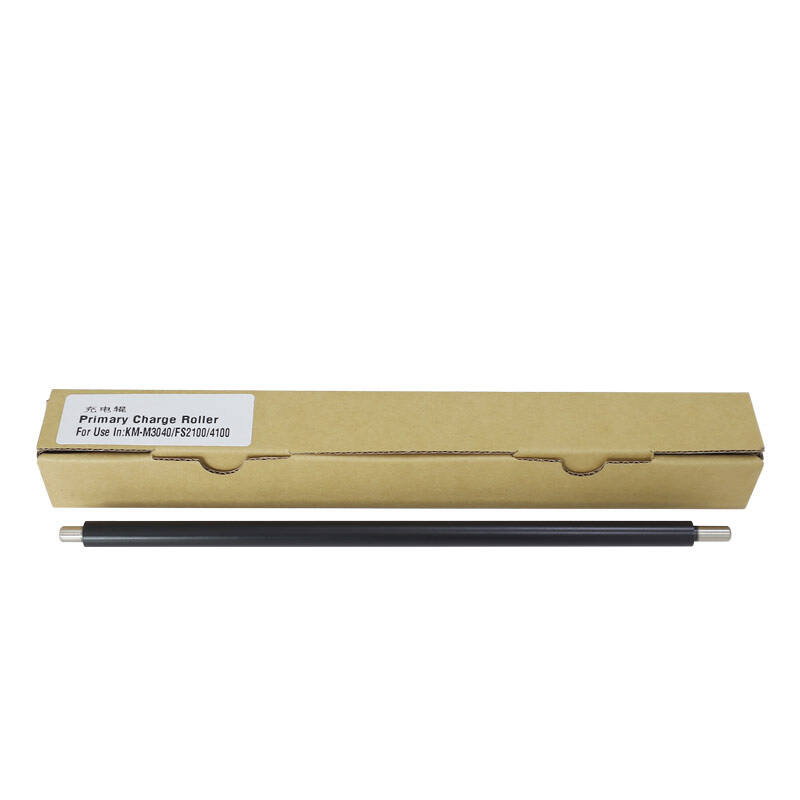
Procedury czyszczenia i protokoły konserwacji
Techniki czyszczenia powierzchni
Skuteczne czyszczenie głównego wałka naładowania wymaga zastosowania specjalistycznych technik, które usuwają zanieczyszczenia bez uszkadzania przewodzącej warstwy ochronnej. Miękkie, bezwłókniste ściereczki nasączone odpowiednimi środkami czyszczącymi delikatnie usuwają nagromadzenia na powierzchni, zachowując przy tym integralność powierzchni kontaktowych elektrycznych. Ruchy czyszczące powinny być wykonywane wzdłuż obwodu wałka, aby uniknąć powstawania zadrapań lub bruzd, które mogłyby wpływać na wzór rozkładu ładunku.
Metody czyszczenia ultradźwiękowego zapewniają kompleksowe usunięcie zanieczyszczeń z silnie zabrudzonych jednostek głównego wałka naładowania. Technika ta wykorzystuje drgania wysokiej częstotliwości w roztworze czyszczącym do odprowadzania mikroskopijnych cząsteczek osadzonych w nieregularnościach powierzchni. Jednak czyszczenie ultradźwiękowe wymaga starannej kontroli czasu ekspozycji oraz składu chemicznego roztworu czyszczącego, aby zapobiec uszkodzeniu wrażliwych komponentów elektrycznych oraz połączeń klejowych wewnątrz zespołu wałka.
Konserwacja styków elektrycznych
Utrzymanie prawidłowego kontaktu elektrycznego między głównym wałkiem naładowania a jego elementami mocującymi zapewnia spójną wydajność ładowania przez cały okres eksploatacji wałka. Punkty kontaktu wymagają regularnej kontroli pod kątem korozji, zużycia lub zanieczyszczenia, które mogłyby zwiększyć opór elektryczny i pogorszyć skuteczność ładowania. Czyszczenie powierzchni kontaktowych odpowiednimi rozpuszczalnikami usuwa utlenienie i zanieczyszczenia, zachowując przy tym właściwości przewodzące niezbędne do prawidłowej pracy.
Zastosowanie smarów przewodzących w określonych punktach kontaktu pomaga utrzymać niski opór elektryczny oraz zapewnia ochronę mechaniczną przed zużyciem i korozją. Te specjalistyczne smary muszą być zgodne z materiałami głównego wałka naładowania oraz wymaganiami elektrycznymi, aby uniknąć wprowadzenia zanieczyszczeń lub pogorszenia wydajności. Regularne monitorowanie oporu kontaktowego umożliwia wcześniejsze wykrycie potrzeb konserwacji, zanim wydajność elektryczna ulegnie pogorszeniu.
Moment wymiany i monitorowanie wydajności
Wskaźniki degradacji wydajności
Systematyczne monitorowanie wskaźników jakości druku pozwala określić optymalny moment wymiany wałka ładującego głównego przed całkowitym jego uszkodzeniem. Stopniowa degradacja przejawia się zwykle zwiększoną gęstością tła, nieregularnym rozkładem ładunku lub zmianami napięcia ładowania, które wpływają na spójność ogólnego wydruku. Śledzenie tych parametrów wydajności umożliwia zaplanowanie konserwacji predykcyjnej, co minimalizuje zakłócenia w funkcjonowaniu urządzenia i maksymalizuje wykorzystanie wałka.
Procedury testów elektrycznych zapewniają ilościową ocenę stanu wałka ładującego głównego poprzez pomiar oporu, pojemności oraz charakterystyk rozkładu napięcia. Te pomiary pozwalają zidentyfikować powstające problemy jeszcze przed ich pojawieniem się w jakości wydruku. Regularne testy elektryczne pozwalają ustalić dane podstawowe dotyczące wydajności, które wspierają dokładną ocenę stanu i podejmowanie decyzji konserwacyjnych w całym okresie eksploatacji wałka.
Opłacalne strategie wymiany
Wdrażanie strategicznych programów wymiany głównego wałka naładowania pozwala na zrównoważenie kosztów operacyjnych z wymaganiami dotyczącymi wydajności. Zakup komponentów zamiennych w dużych ilościach obniża koszty jednostkowe i zapewnia ich dostępność w momencie, gdy harmonogramy konserwacji wymagają wymiany wałków. Ponadto programy regeneracji niektórych typów głównych wałków naładowania mogą stanowić opłacalną alternatywę dla całkowitej wymiany, przy jednoczesnym zachowaniu akceptowanych standardów wydajności.
Koordynacja wymiany głównego wałka naładowania z innymi zaplanowanymi czynnościami konserwacyjnymi maksymalizuje efektywność i minimalizuje przestoje sprzętu. Wymiana wielu zużywających się komponentów w ramach zaplanowanych okien konserwacyjnych zmniejsza koszty pracy i zakłócenia w obsłudze w porównaniu do indywidualnych harmonogramów wymiany poszczególnych komponentów. Takie podejście zapewnia również, że wszystkie powiązane komponenty działają z podobnymi historiami eksploatacji oraz charakterystykami wydajności.
Rozwiązywanie problemów
Niespójności w procesie ładowania i możliwe rozwiązania
Niespójne ładowanie z głównego wałka ładującego wynika zwykle z zanieczyszczenia powierzchni, problemów z połączeniem elektrycznym lub nieprawidłowego ustawienia mechanicznego. Systematyczne diagnozowanie rozpoczyna się od wizualnej inspekcji stanu wałka, a następnie przeprowadza się pomiary elektryczne, aby zlokalizować pierwotną przyczynę. Czyszczenie powierzchni często rozwiązuje niewielkie nieprawidłowości w ładowaniu, podczas gdy poważniejsze problemy mogą wymagać konserwacji połączeń elektrycznych lub korekt ustawień mechanicznych.
Fluktuacje napięcia wpływające na wydajność głównego wałka ładującego mogą mieć swoje źródło w problemach z zasilaniem, oporze kontaktowym w obwodzie elektrycznym lub wewnętrznej degradacji wałka. Pomiar napięć ładowania w różnych punktach obwodu elektrycznego pozwala określić, czy usterki znajdują się w samym zespoле wałka, czy też w zewnętrznych układach elektrycznych. Poprawna diagnoza zapewnia, że działania serwisowe skupiają się na rzeczywistych przyczynach problemu, a nie na jego objawach, które mogłyby prowadzić do niepotrzebnej wymiany komponentów.
Problemy mechaniczne i ich korekta
Problemy mechaniczne z głównym wałkiem naładowania często wiążą się z zużyciem łożysk, niewłaściwym położeniem wału lub problemami z regulacją nacisku wpływającymi na kontakt z bębnem światłoczułym. Takie usterki zwykle rozwijają się stopniowo i mogą nie być widoczne, dopóki nie wystąpi pogorszenie jakości wydruku. Regularne inspekcje mechaniczne pozwalają wykryć powstające problemy jeszcze przed koniecznością przeprowadzenia drogich napraw lub uszkodzeniem innych elementów systemu.
Poprawne smarowanie elementów mechanicznych wydłuża żywotność głównego wałka naładowania, zapewniając przy tym płynną pracę oraz stałą wartość nacisku kontaktowego. Używanie smarów zalecanych przez producenta gwarantuje ich zgodność ze wszystkimi materiałami i zapobiega reakcjom chemicznym, które mogłyby uszkodzić uszczelki lub inne komponenty. Harmonogramy smarowania powinny być zsynchronizowane z ogólnym programem konserwacji, aby maksymalizować skuteczność i minimalizować przerwy w użytkowaniu.
Często zadawane pytania
Jak często należy czyścić wałek ładujący?
Częstotliwość czyszczenia głównego wałka naładowania zależy od warunków środowiska roboczego oraz intensywności użytkowania. W typowych środowiskach biurowych miesięczne czyszczenie zwykle wystarcza do utrzymania optymalnej wydajności. Jednak w zapylenionych lub intensywnie użytkowanych środowiskach drukujących może być konieczne tygodniowe czyszczenie, aby zapobiec gromadzeniu się zanieczyszczeń, które mogłyby obniżyć skuteczność naładowania.
Jakie są objawy wskazujące na konieczność wymiany głównego wałka naładowania?
Główne wskaźniki wymiany głównego wałka naładowania obejmują trwałe problemy z jakością wydruku, takie jak tzw. „przywidzenie” tła, nieregularne wzory gęstości lub paski, których nie da się usunąć poprzez czyszczenie. Dodatkowo widoczny zużycie, np. pęknięcia powierzchniowe, powstawanie bruzd lub znaczne zanieczyszczenia odporno na usuwanie, zwykle sygnalizują konieczność wymiany zamiast dalszego konserwowania.
Czy mogę stosować uniwersalne środki czyszczące do czyszczenia głównego wałka naładowania?
Używanie środków czyszczących zatwierdzonych przez producenta zapewnia zgodność z przewodzącą warstwą głównego wałka naładowania i zapobiega uszkodzeniom spowodowanym reakcjami chemicznymi. Uniwersalne rozpuszczalniki mogą zawierać dodatki lub posiadać właściwości chemiczne, które mogą pogorszyć wydajność elektryczną lub spowodować degradację materiału. Zawsze należy zapoznać się ze specyfikacjami producenta przed zastosowaniem jakiegokolwiek środka czyszczącego produkty na wrażliwych komponentach elektrycznych.
W jaki sposób warunki środowiskowe wpływają na żywotność głównego wałka naładowania
Czynniki środowiskowe znacząco wpływają na długość życia głównego wałka naładowania poprzez ich oddziaływanie na wydajność elektryczną oraz tempo zużycia mechanicznego. Wysoka wilgotność przyspiesza korozję i gromadzenie się zanieczyszczeń, podczas gdy niska wilgotność nasila problemy związane ze statycznym ładunkiem elektrycznym. Skrajne temperatury powodują zmiany wymiarowe oraz przyspieszają starzenie się materiałów, co czyni kontrolowane warunki środowiskowe niezbędnymi do maksymalizacji czasu użytkowania wałka.