 EN
EN

OPC-tromle-håndteringsregler er afgørende protokoller, der beskytter følsomme fotokonduktor-komponenter mod fysisk skade under installation og vedligeholdelse. At forstå og følge OPC-tromle-håndteringsreglerne sikrer, at din billedudstyrsvirksomhed fungerer med maksimal ydelse og undgår dyre reparationer eller udskiftninger. Forkert håndtering under installation kan forårsage mikroskopiske ridser, der påvirker billedkvaliteten, forkorter tromlens levetid og skaber driftsproblemer i dit print- eller kopimiljø.
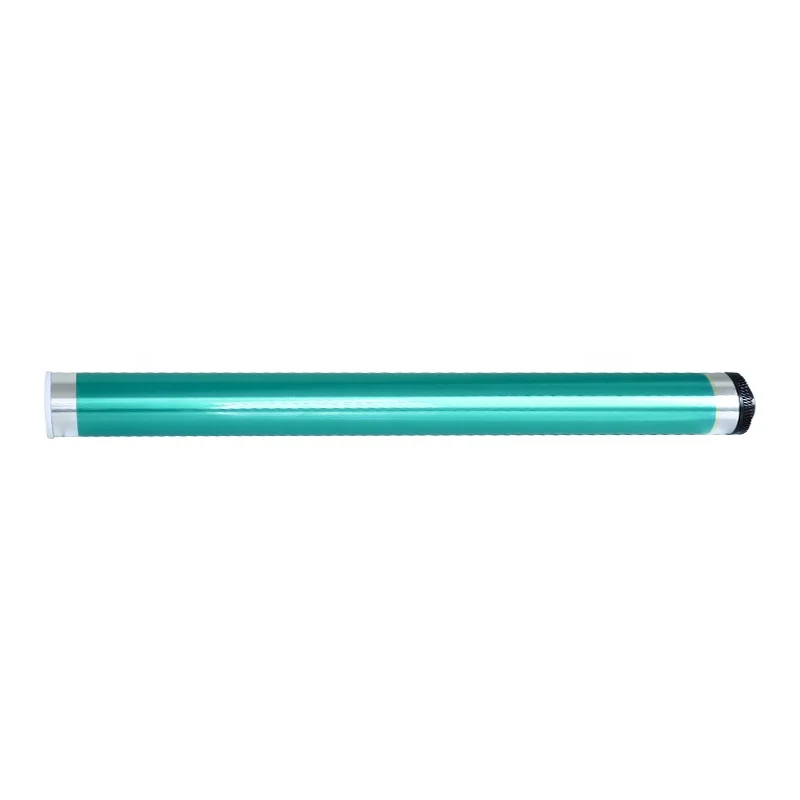
Konsekvenserne af korrekt håndtering af OPC-tromler går ud over enkelte installationer. Når teknikere ikke overholder reglerne for håndtering af OPC-tromler, lider hele dokumentproduktionsprocesserne af kvalitetsnedgang, øget spild og uventet nedtid. Denne vejledning fører dig gennem branchestandardiserede regler for håndtering af OPC-tromler, som forhindrer ridser, bevare tromlens integritet og sikrer konstant udskriftskvalitet i hele tromlens levetid.
Kernepincipper for reglerne om håndtering af OPC-tromler
Forståelse af, hvorfor reglerne om håndtering af OPC-tromler er vigtige
Regler for håndtering af OPC-tromler findes, fordi overfladerne af organiske fotokonduktorer er ekstraordinært følsomme over for mekanisk skade. Selv mikroskopiske ridser, der ikke kan ses med det blotte øje, kan forstyrre den elektrostatiske opladningsproces og føre til synlige fejl på hver udskrevne side. Reglerne for håndtering af OPC-tromler beskytter mod både direkte kontaktskade og miljømæssig forurening, der akkumuleres under uansvarlig håndtering. Når du konsekvent følger reglerne for håndtering af OPC-tromler, eliminerer du den primære årsag til for tidlig tromlefejl og opretholder forudsigelige udskiftningstidsintervaller.
Den økonomiske konsekvens af at ignorere reglerne for håndtering af OPC-tromler stiger hurtigt ved større installationer. En enkelt ridset tromle kræver udskiftning før tidsplanen, afbryder servicearbejdsprocesser og kan skade kundeforholdene, hvis kvaliteten pludselig forringes. Reglerne for håndtering af OPC-tromler udgør den mest omkostningseffektive investering i udstyrets pålidelighed. Teknikere, der behersker reglerne for håndtering af OPC-tromler, bruger mindre tid på fejlfinding af kvalitetsproblemer og mere tid på produktiv vedligeholdelsesarbejde.
Hvordan reglerne for håndtering af OPC-tromler hænger sammen med installations succes
Regler for håndtering af OPC-tromler dækker åbningen mellem opbevaringsforhold og aktiv drift. Under installation fastlægger reglerne for håndtering af OPC-tromler hver eneste bevægelse, hvert kontaktsted og hver enkelt miljøfaktor, der kunne udløse skade. Det øjeblik, en tekniker fjerner en tromle fra dens beskyttende emballage, bliver reglerne for håndtering af OPC-tromler afgørende for, om tromlen fungerer fejlfrit i år eller udvikler billedfejl inden for uger. Streng overholdelse af reglerne for håndtering af OPC-tromler i denne kritiske overgangsfase bestemmer de langsigtede ydeevneresultater.
Installation udgør den periode med størst risiko for beskadigelse af OPC-tromlen, fordi komponenten overgår fra kontrollerede fabriksmiljøer til feltbetingelser. Regler for håndtering af OPC-tromler fastsætter standardiserede procedurer, der minimerer denne risiko uanset teknikernes erfaring og miljømæssige forhold. Faciliteter, der dokumenterer og håndhæver reglerne for håndtering af OPC-tromler, oplever måleligt færre for tidlige tromlefejl og betydeligt færre garantikrav relateret til skade under installation.
Vigtige regler for håndtering af OPC-tromler ved installation
Personlig beskyttelsesudstyr og overfladeforberejdelse
Alle OPC-tromle-håndteringsregler starter med passende personlig beskyttelsesudstyr, der forhindrer overførsel af hudolier og snavs til tromlens overflade. Teknikere skal bære pulverfri nitrilhandsker, når de følger OPC-tromle-håndteringsreglerne under installationsprocedurerne. Før man rører ved nogen tromlekomponenter, skal man sikre sig, at arbejdsfladerne er rene, tørre og fri for støvpartikler, der kunne ridse eller blive indlejret i fotokonduktorslaget. Ifølge OPC-tromle-håndteringsreglerne skal installationsområderne renses med uld-frie klude, og man skal kontrollere, om der er rester af emballage eller andre forureninger tilbage.
Forberedelsesfasen af OPC-tromle-håndteringsreglerne afgør ofte, om installationen lykkes eller udløser problemer måneder senere. At skynde sig igennem overfladeberedelsen skaber forhold, hvor mikroskopiske partikler stadig er til stede under tromleinstallationen og senere ridser fotokonduktoren, når mekaniske kræfter flytter komponenter under drift. OPC-tromle-håndteringsreglerne forbinder specifikt brug af almindelig komprimeret luft eller trykrensere, der kunne drive partikler ind i sprækker eller beskadige beskyttende belægninger. Brug altid godkendte rengøringsmetoder, som er specificeret i udstyrets dokumentation, når du følger OPC-tromle-håndteringsreglerne.
Grebet, orienteringen og transportteknikkerne
Reglerne for håndtering af OPC-tromler fastlægger præcise grebteknikker, der fordeler kraften jævnt over holdbare understøtningsområder i stedet for følsomme fotokonduktorfacer. Det korrekte greb i henhold til reglerne for håndtering af OPC-tromler indebærer at støtte tromlen ved dens monteringsflanger eller angivne monteringszoner, mens man holder beskuede hænder væk fra den cylindriske fotokonduktorkrop. Grib aldrig eller støt tromlen ved dens rulleflader, kanter eller nogen del af fotokonduktorbelægningen, når man anvender reglerne for håndtering af OPC-tromler. Transporter tromlen lodret eller oprethold den vandrette orientering præcis som specificeret i reglerne for håndtering af OPC-tromler – aldrig kant eller roter tromlen unødigt.
Teknikere, der håndterer OPC-tromler i henhold til håndteringsreglerne, skal bevæge sig målrettet og hele tiden være opmærksom på tromlens position og orientering under installationen. Håndteringsreglerne for OPC-tromler forbyder at placere tromler på ustabile overflader, at skæve dem op ad vægge eller at stable flere tromler uden passende afstandsholdere og beskyttende barrierer. Hvert øjeblik, hvor tromlen befinder sig uden for sin beskyttende patron eller beholder, udgør en potentiel risiko for ridser, støvforurening eller utilsigtet kontakt. Håndteringsreglerne for OPC-tromler minimerer denne udsættelsesperiode ved at kræve effektive, trænede bevægelser, der fuldfører installationen hurtigt uden at kompromittere sikkerheden eller komponentbeskyttelsen.
Miljømæssige forhold og lagerintegration
Temperatur, luftfugtighed og miljøkontrol
Reglerne for håndtering af OPC-tromler omfatter mere end installationsmetoder og omfatter også miljøkontrolforanstaltninger, der forhindrer spænding i fotokonduktormaterialet. Temperatursvingninger skaber udvidelses- og sammentrækningscyklusser, der kan påvirke tromlekomponenter og forårsage mikroskopiske revner eller adskillelsesfejl. Reglerne for håndtering af OPC-tromler specificerer, at der skal opretholdes stabile temperaturer mellem 16 °C og 35 °C under installationsprocedurerne, og at der skal undgås hurtige temperaturændringer, der chokerer tromlematerialet. Fugtighedskontrol er lige så kritisk i henhold til reglerne for håndtering af OPC-tromler, hvor specifikationerne normalt kræver en relativ luftfugtighed mellem 45 % og 75 % for at forhindre elektrostatiske ophobninger eller materialets sprødhed.
Miljøovervågning bliver en del af omfattende OPC-tromlehåndteringsregler i faciliteter, der oplever ekstreme sæsonvariationer eller utilstrækkelig klimakontrol. Når OPC-tromlehåndteringsregler kombineres med korrekt miljøkontrol, reducerer den samlede effekt dramatisk stressrelaterede tromlefejl og uventede kvalitetsproblemer. Faciliteter, der opbevarer tromler før installation, skal anvende OPC-tromlehåndteringsregler vedrørende opbevaringsforhold og holde tromlerne i forseglede beskyttelsesemballager inden for klimakontrollerede områder i stedet for at udsætte dem for lagerens temperatursvingninger eller udendørs forhold.
Emballagebeskyttelse og inspektion før installation
Den beskyttende emballage, der omgiver nyudskippede tromler, udgør din første forsvarslinje – og derfor kræver OPC-tromlehåndteringsregler omhyggelig opmærksomhed på emballagens integritet, inden installationen påbegyndes. Ifølge OPC-tromlehåndteringsregler skal den ydre emballage inspiceres for knusningsskader, vandskader eller gennemhullinger, der kunne kompromittere den indre beskyttelse. Fjern aldrig en tromle fra dens beskyttende rør eller patron, før det præcise øjeblik for installation. OPC-tromlehåndteringsregler behandler specifikt dette tidspunkt, fordi for tidlig fjernelse udsætter fotokonduktoren for støv i luften, fingeraftryk og utilsigtet kontakt, hvilket kan forårsage ridser og forurening.
Når du følger OPC-tromlehåndteringsreglerne under inspektionsfasen før installation, opdager du ofte forsendelsesskader, inden de bliver et driftsproblem. Hvis en tromle viser tegn på beskadigelse af den ydre emballage, anbefaler OPC-tromlehåndteringsreglerne at beholde den i dens oprindelige beskyttende emballage og arrangere øjeblikkelig udskiftning i stedet for at installere en muligvis beskadiget enhed. Denne forsigtige tilgang er i overensstemmelse med OPC-tromlehåndteringsreglerne fordi undgåelse af installation af beskadigede tromler eliminerer fremtidige kvalitetsproblemer helt.
Dokumentation, uddannelse og kontinuerlig forbedring
Standardisering af OPC-tromlehåndteringsregler på tværs af team
Organisationer, der implementerer OPC-tromlehåndteringsregler på flere lokationer eller blandt flere teknikere, skal udarbejde standardiseret dokumentation, der definerer procedurerne konsekvent. OPC-tromlehåndteringsregler fungerer mest effektivt, når alle teknikere følger identiske trin og dermed eliminerer variabler, der kunne give anledning til genveje eller inkonsistente praksisser. Udarbejd hurtig-referencevejledninger, der opsummerer OPC-tromlehåndteringsreglerne i simple, nemme at huske formater, som feltteknikere kan rådføre sig i under installationsprocedurerne. Videodemonstrationer, der viser korrekte teknikker til OPC-tromlehåndtering, giver visuel forstærkning og hjælper nye teknikere med at forstå de forventede ydelsesstandarder.
Uddannelsesprogrammer, der lægger vægt på reglerne for håndtering af OPC-tromler, skaber ansvarlighed og reducerer sandsynligheden for undgåelig skade under installation. Når teknikere forstår, hvorfor reglerne for håndtering af OPC-tromler findes, og kan knytte disse regler til målbare kvalitetsresultater, stiger overholdelsesraten markant. Regelmæssig opfriskningsuddannelse i reglerne for håndtering af OPC-tromler sikrer konsekvens over tid og opdager udviklingen af genveje, som gradvist underminerer procedureoverholdelsen. Produktionssteder, der behandler reglerne for håndtering af OPC-tromler som vedvarende prioriteringer i stedet for én gang givne uddannelsesemner, oplever målbart lavere fejlrate og højere kundetilfredshedsniveauer.
Overvågning, feedback og ydelsesmål
Indfør metrikker, der sporer, om reglerne for håndtering af OPC-tromler effektivt reducerer installationsrelaterede fejl og forlænger tromlens levetid på din facilitet. Overvåg hyppigheden af billedkvalitetsproblemer, der kan tilskrives skade under installationen, og sammenlign perioder før og efter implementeringen af omfattende træning i reglerne for håndtering af OPC-tromler. Indsamle feedback fra teknikere ude i feltet om, hvilke regler for håndtering af OPC-tromler der er mest udfordrende at følge, og identificer muligheder for at forenkle procedurerne uden at kompromittere beskyttelsen. Når ydelsesdata for reglerne for håndtering af OPC-tromler viser forbedring, del disse resultater med dit team for at understrege værdien af konsekvent overholdelse.
Avancerede OPC-tromlehåndteringsreglerprogrammer integrerer prædiktiv overvågning og rodårsagsanalyse for at identificere fremvoksende problemer, inden de bliver udbredte. Hvis visse installationslokationer viser højere tromlefejlrate, selvom OPC-tromlehåndteringsreglerne følges, skal miljøforhold, teknikernes erfaring og udstyrspecifikke variationer undersøges, da disse faktorer muligvis kræver justeringer af procedurerne. Ved løbende forbedringscyklusser, hvor OPC-tromlehåndteringsreglerne gentagende gennemgås og forbedres på baggrund af reelle data, oprettes progressivt mere effektive protokoller, der tilpasser sig din specifikke driftskontekst.
Ofte stillede spørgsmål
Hvilke specifikke områder af OPC-tromlen er mest sårbare over for ridser under installation?
Overfladen på fotokonduktorrullen udgør i sig selv det mest sårbare område, hvilket gør dette til hovedfokus for reglerne for håndtering af OPC-tromler. Den buede ydre overflade af tromlen kræver handskebeskyttet støtte kun ved monteringsflanger eller angivne støttezoner, som specificeret i reglerne for håndtering af OPC-tromler. Kanter og sømme, hvor fotokonduktorbeklædningen møder tromlens underlag, kan ligeledes blive ridset, hvis tromlen kantler eller støder mod hårde overflader under håndtering. Reglerne for håndtering af OPC-tromler understreger beskyttelse af disse kantområder ved at opretholde korrekt orientering og anvende stødfaste beskyttelsesbarrierer under transport og installation.
Kan reglerne for håndtering af OPC-tromler forhindre alle typer installationsrelateret skade?
OPC-tromlehåndteringsregler forhindrer effektivt ridser, støvforurening og overfladeskader, der skyldes forkert håndtering, men kan ikke beskytte mod defekter, der allerede findes i tromlen, eller skade forårsaget af udstyrsfejl efter installation. Når OPC-tromlehåndteringsregler kombineres med korrekt emballageinspektion og opbevaringsforhold, eliminerer de næsten al forebyggelig installationsbeskadigelse. Udstyrsdesignmangler, produktionsfejl eller mekaniske problemer efter installation udgør imidlertid separate kategorier, som OPC-tromlehåndteringsregler ikke kan håndtere. Protokollerne er specifikt udformet til at beskytte mod skade forårsaget af teknikernes handlinger og miljøfaktorer, som ligger inden for menneskelig kontrol.
Hvor ofte skal træning i OPC-tromlehåndteringsregler opdateres for teknikerteam?
Branchens bedste praksis foreslår, at træning i reglerne for håndtering af OPC-tromler gentages årligt eller hver gang der introduceres nye udstyrsmodeller, som kræver ændringer i procedurerne. Teknikere, der arbejder med OPC-tromler mindre hyppigt, har fordel af mere hyppig træning for at opretholde færdighedsniveauet og forhindre gradvis forringelse af overholdelsen af procedurerne. Nyansatte skal modtage omfattende træning i reglerne for håndtering af OPC-tromler, inden de udfører installationsarbejde selvstændigt. Faciliteter, der oplever øget fejlrate eller kvalitetsproblemer, skal straks gennemføre opfriskningstræning i reglerne for håndtering af OPC-tromler samt udføre rodårsagsanalyse for at afgøre, om manglende træning har bidraget til problemerne.